

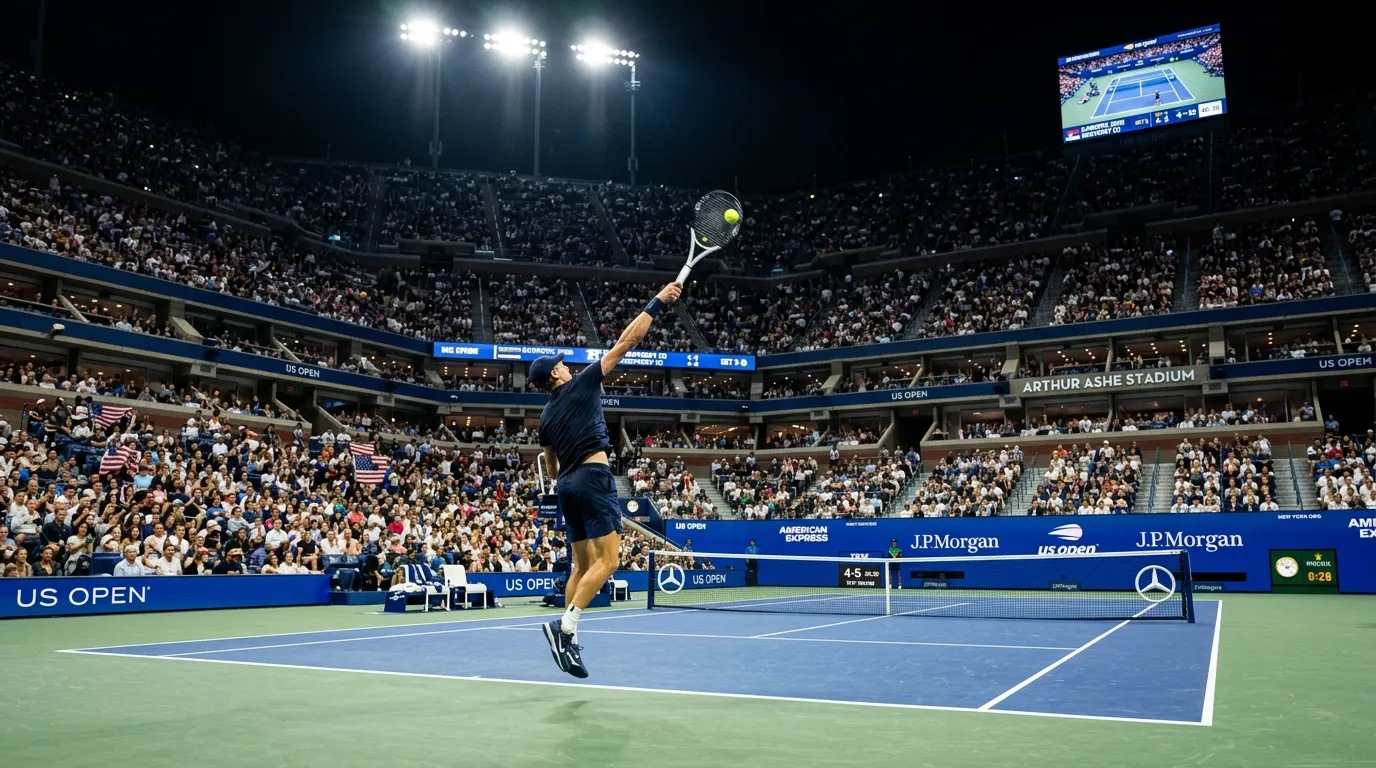
The US Open is the rowdiest, most physically brutal Grand Slam on the calendar, and that chaos is gold for a bettor who keeps a cool head. Late-night finishes under blazing lights, swirling heat and humidity, a New York crowd that treats a tennis match like a prizefight: nothing about this event is serene. The conditions wear players down and the atmosphere rattles them, and both of those factors throw up betting situations the markets routinely underprice.
Played on hard courts at the back end of the summer, the US Open closes out the Grand Slam season as a test of stamina as much as skill. The surface is fast, the heat is sapping, and the scheduling is merciless, with matches sometimes finishing in the small hours. A bettor who treats this event like a polite afternoon at a quieter major will get a rude awakening, because here the body and the mind break down in ways that decide matches.
When the Conditions Become a Factor
Heat and humidity are not background details in New York, they are active participants in the result. The late-summer conditions can be punishing, and players who are physically vulnerable or carrying the fatigue of a long season can wilt in ways that have nothing to do with their talent. I treat the weather forecast as genuine betting information at this event in a way I rarely do elsewhere.
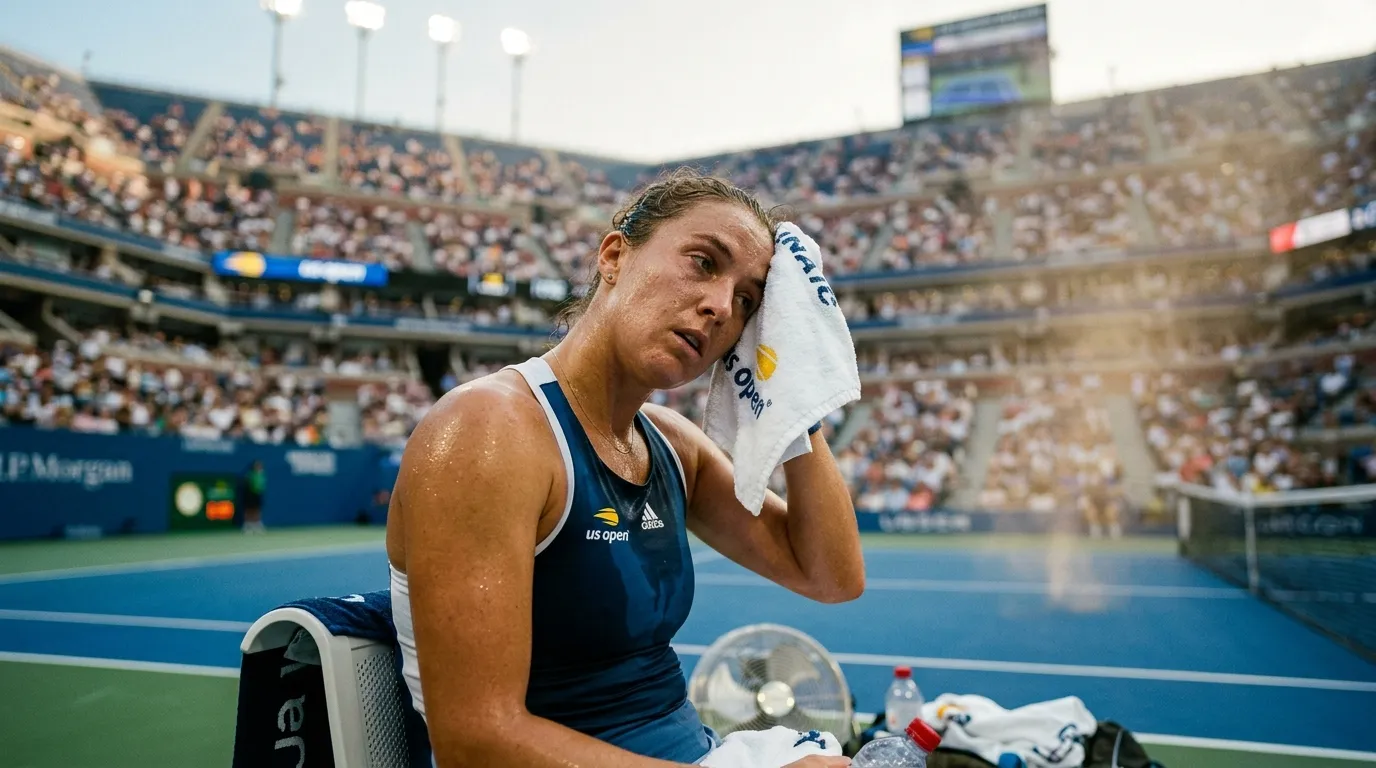
The scheduling compounds it. The US Open is notorious for matches that begin late and grind on past midnight, and a player who has spent two of those marathon nights on court arrives at the next round depleted in a way the form book does not capture. Fatigue accumulates across a fortnight of hard-court tennis in oppressive conditions, and the market is consistently slow to price it. I look hard at who has had the kinder schedule, who has been on court longest, and who has the physical engine to cope with a five-set war in the heat, because those questions decide more matches here than raw ability does.
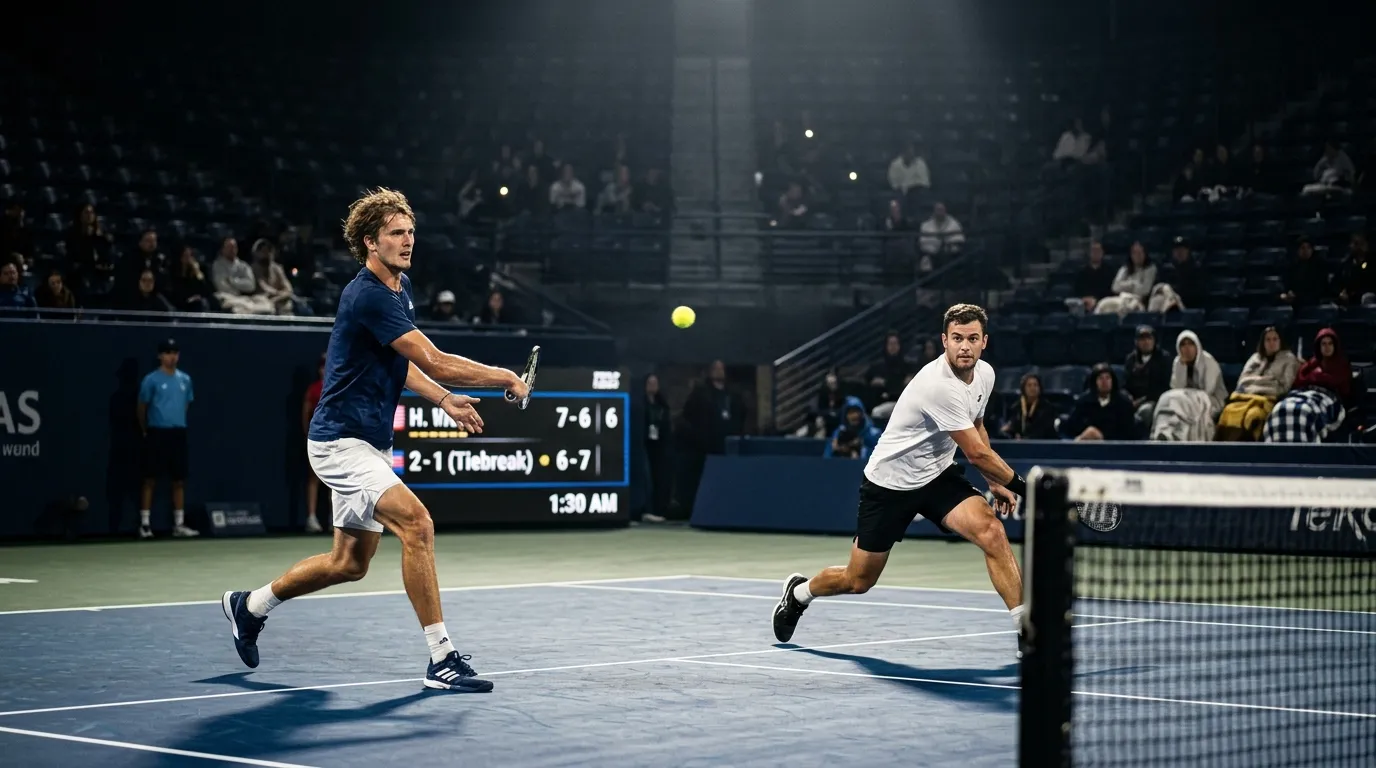
The fast hard courts add another layer. Big servers and aggressive baseliners thrive on the quick surface, and the speed can let a powerful underdog trouble a more complete player who would handle them comfortably elsewhere. Combine that surface speed with a tired favourite and a hostile late-night crowd, and you have the recipe for the kind of upset that defines this tournament almost every year.
The Crowd, the Lights and the Mental Test
Here is something the odds never quite capture: the US Open is as much a mental examination as a physical one. The New York crowd is loud, partisan and entirely willing to get involved, and the night sessions under the lights have an intensity that some players relish and others visibly hate. Temperament matters here more than at any other major.
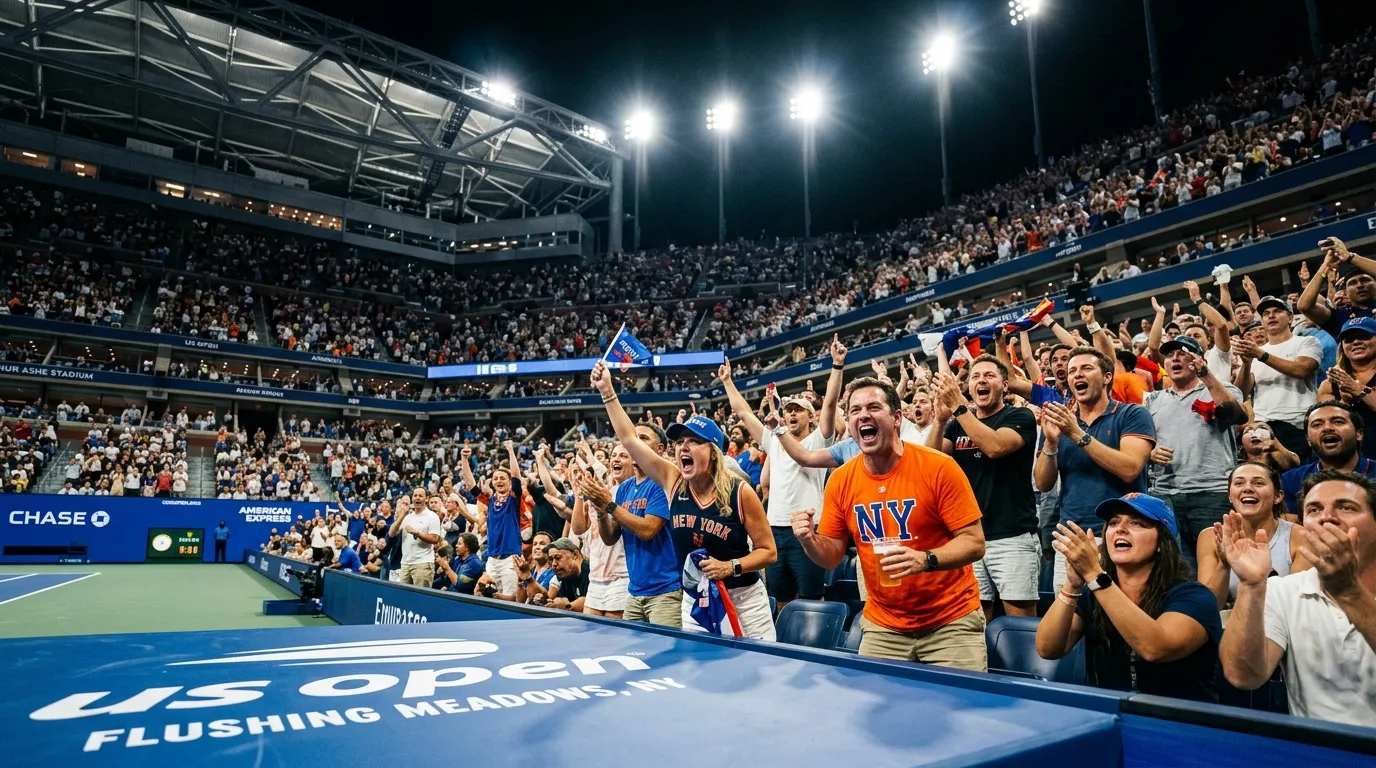
I pay close attention to how players have historically handled this specific environment. Some thrive on the energy and raise their level under the lights, while others tighten up, lose their rhythm and get dragged out of their game by the noise and the occasion. A player with the talent to win but the temperament to crumble in a hostile night session is a far worse bet than their ability suggests, and a streetwise competitor who feeds off the chaos can be worth backing beyond their ranking. This is the kind of read that pure form analysis misses entirely.
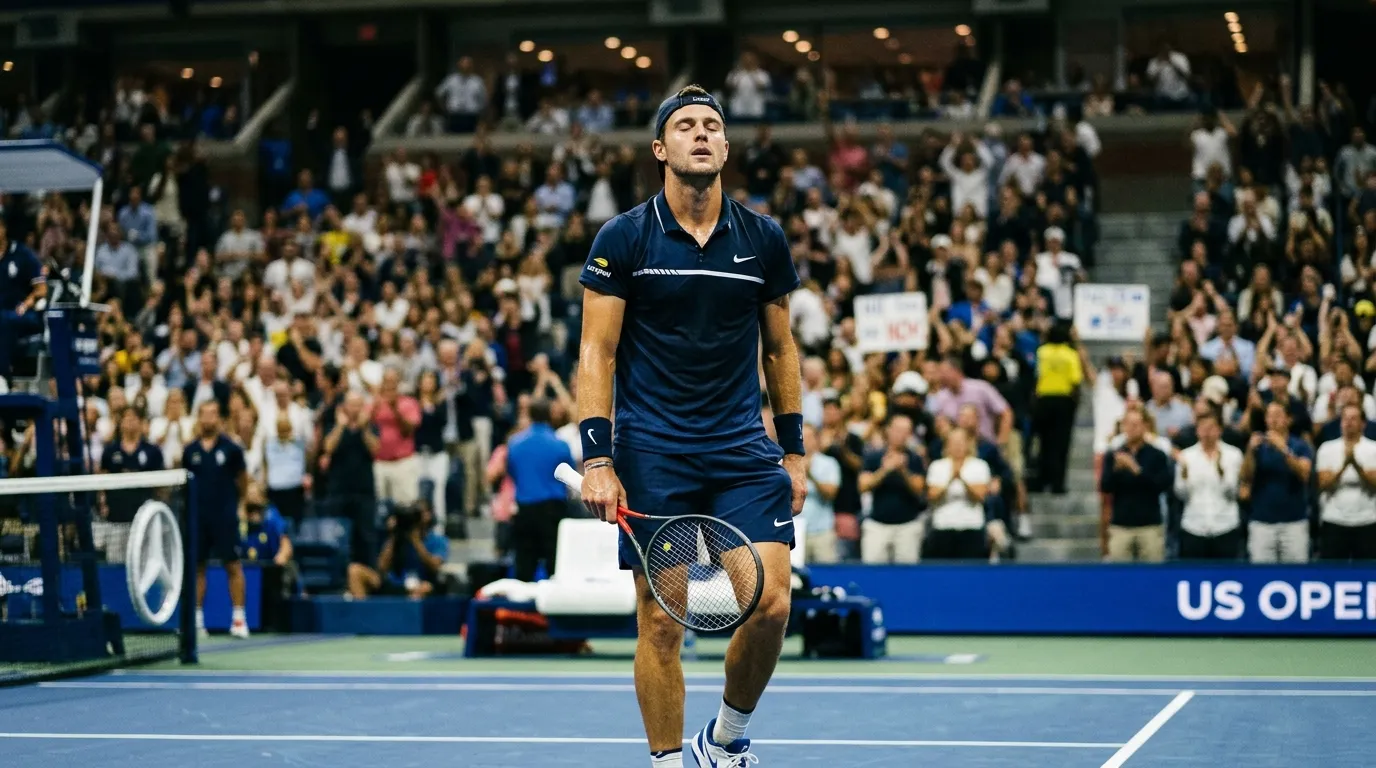
The depth of the markets gives me plenty of room to act on these reads, because the US Open delivers continuous in-play markets across its fourteen days, and the late-night drama produces in-running situations almost every session. Tennis sits at roughly 16.53 billion dollars of the betting market, around a tenth of the whole, and the season-closing major draws a heavy share of that volume, which keeps liquidity flowing even on the outside courts in the small hours. A live read on a player wilting in the heat or wobbling under crowd pressure can be acted on immediately, and the in-play market is often slower to react to those human factors than to the score.
Putting the New York Pieces Together
My US Open approach is built on three pillars: the surface, the conditions and the temperament. The fast hard court tells me who has the weapons to cause damage, the heat and scheduling tell me who can physically last, and the crowd and the lights tell me who will hold their nerve when the arena turns into a cauldron. No single one of those reads is enough on its own, but together they paint a picture the headline odds rarely match.
I am especially wary of tired favourites in the second week, when the accumulated toll of brutal matches in sapping conditions starts to bite, and I am happy to back a fresh, streetwise underdog with a big serve against a depleted star. Equally, I respect the players who have proven they can win here repeatedly, because thriving in this environment is a skill in itself that the truly great competitors possess.
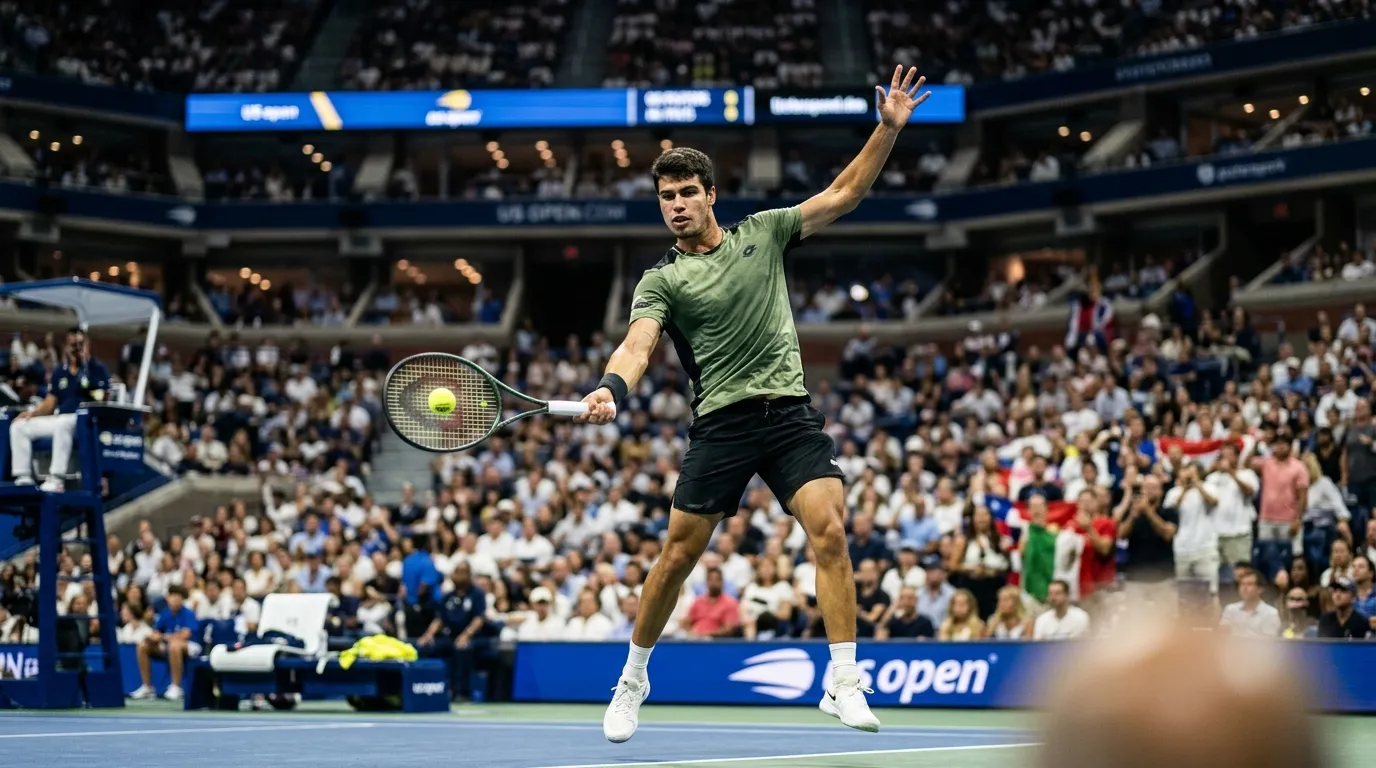
All of this rests on understanding the surface beneath the spectacle, because the fast hard court is what makes the heat, the serving and the late-night drama play out the way they do. I set out the broader framework for reading this surface in my guide to hard court tennis betting, and it is the foundation everything at Flushing Meadows is built on. Read the court, respect the conditions, judge the temperament, and the chaos of New York starts to look a lot more like opportunity.
Articles
Created by the "bets-on-tennis.com" editorial team.
