

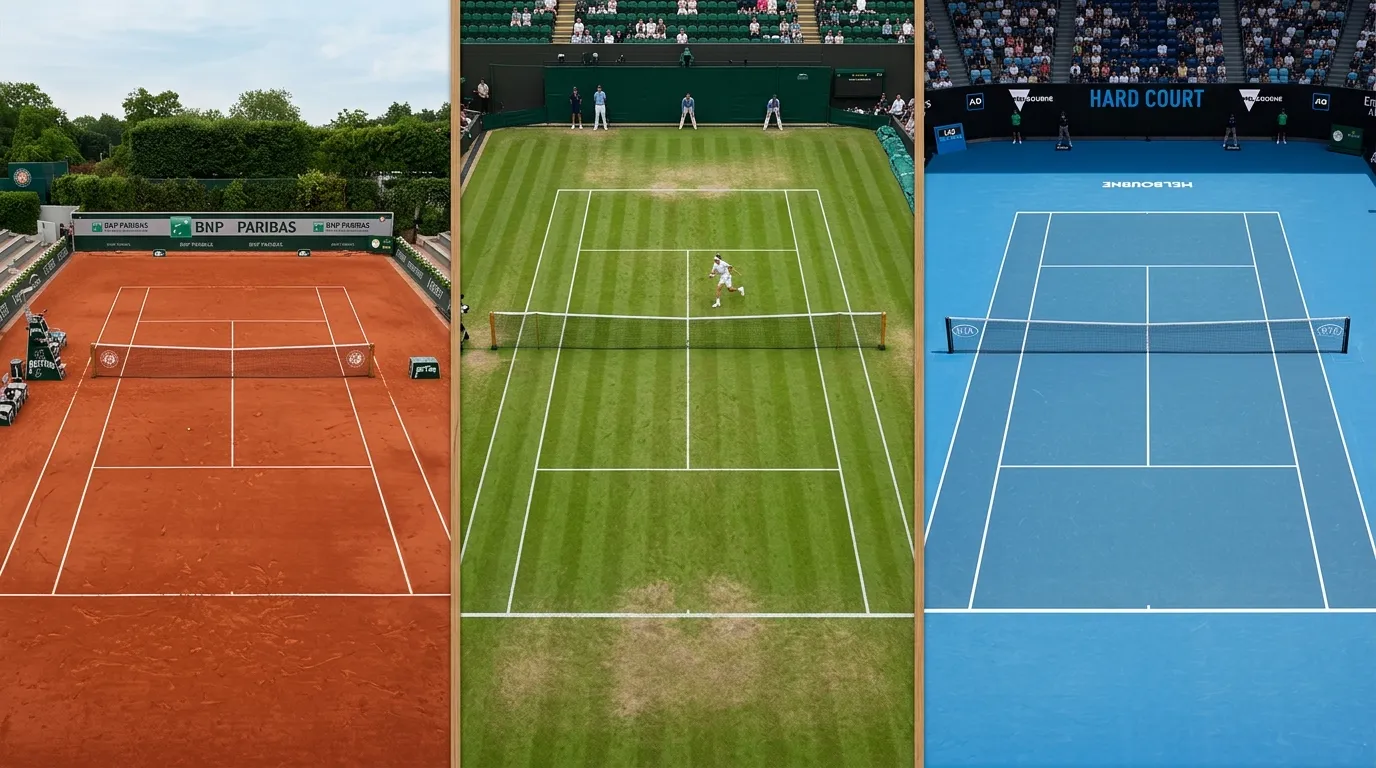
Some of the most reliable bets I have ever made came from a simple observation that the market keeps underrating: certain players are dramatically better on one surface than the rankings suggest, and the odds are slow to respect it. A world ranking is an average across all surfaces, and averages hide exactly the information a tennis bettor most wants. The player who is mediocre on hard courts but lethal on clay is invisible in the rankings and gold in the right markets.
A surface specialist is a player whose game is built for one type of court, who performs far above their general level on it and often well below elsewhere. Spotting these players, and understanding when their specialism is about to matter, is one of the most durable edges in tennis betting. The market prices the ranking, the specialist exploits the surface, and the gap between the two is where consistent value lives.
Why the Rankings Hide the Truth
A ranking blends a player’s results across clay, grass and hard courts into a single number, which is convenient and deeply misleading. Tennis is the only major sport where the playing surface changes so radically that it rewards entirely different physical skills, and a number that averages across all of them tells you almost nothing about how a player performs on any one of them.

Consider the clay-court grinder ranked in the thirties who has never troubled anyone on a fast court. On hard courts they are exactly what their ranking suggests, beatable and unremarkable. Drop them onto clay against a higher-ranked player whose game depends on a big serve and quick points, and the picture inverts completely. The grinder’s defence, movement and patience suddenly outweigh the favourite’s power, and a player the rankings say should lose comfortably becomes a genuine threat or even the rightful favourite. The market, anchored to the ranking, is often slow to make that adjustment fully, especially in the early rounds and lower-profile events.
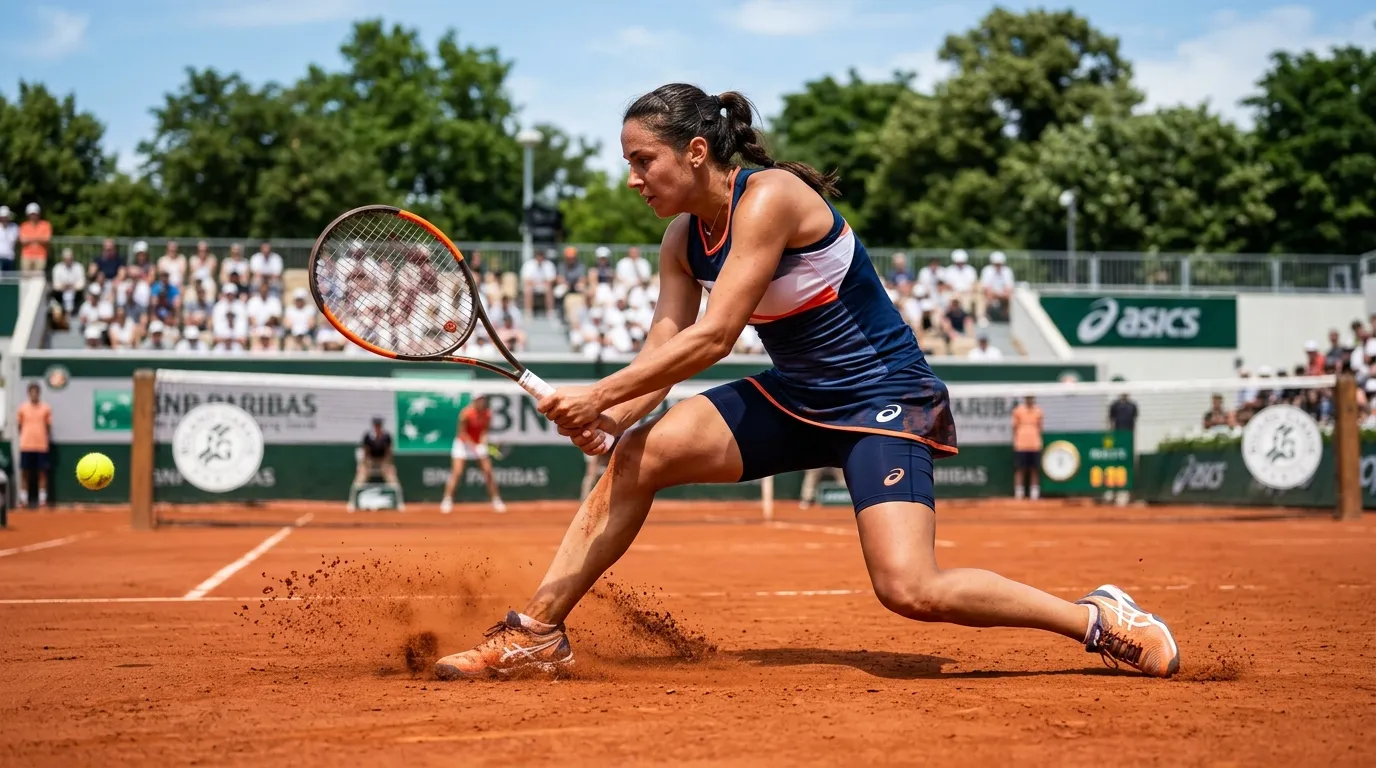
This is why I never read a matchup off the rankings alone. I want each player’s record on the specific surface, their results in the current swing, and a sense of whether their game style is flattered or exposed by the court. A player two surfaces out of their comfort zone is a very different proposition from the same player at home, and treating them as one and the same is the mistake the market repeatedly makes.
Spotting the Specialist Before the Market Does
The clearest signal is a player whose surface-specific results diverge sharply from their overall record. A genuine clay specialist will have a clay win rate well above their general level, deep runs at clay events that vanish on other surfaces, and a game style, heavy topspin, elite movement, relentless defence, that the dirt rewards. Once you learn to recognise the profile, these players announce themselves.
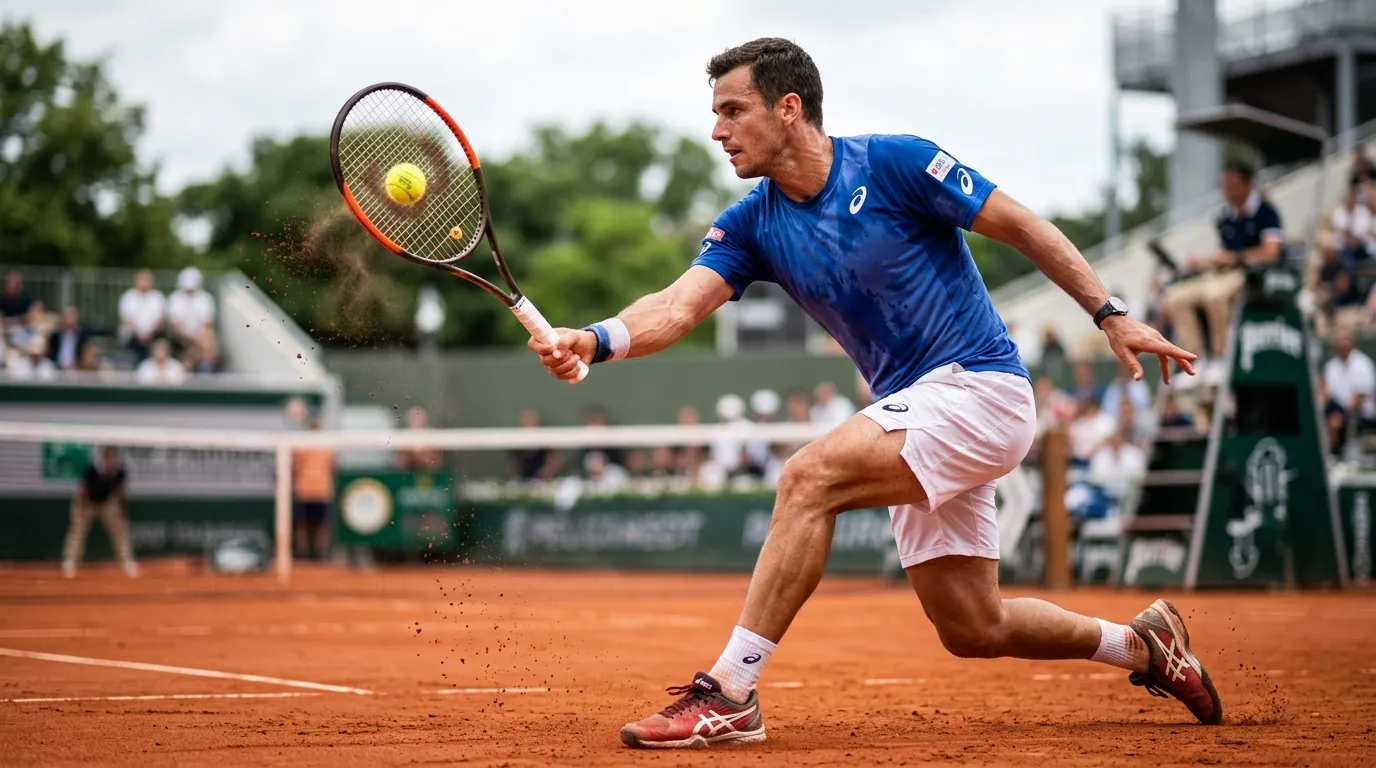
The depth of the tennis calendar gives a specialist plenty of room to shine, and a bettor plenty of chances to back them. Tennis is the fastest-growing online betting segment, forecast to grow at 13.83 percent a year to 2031, the highest of any sport, and that expanding volume means an ever-greater number of matches where a specialist meets a player operating outside their comfort zone. Each Grand Slam delivers continuous in-play markets across fourteen days, and the surface swings produce a steady stream of these mismatched encounters. The richest opportunities come in the smaller events that make up most of the season, the lower-tier clay tournaments before a major or the grass warm-ups, where specialists rack up results away from the casual spotlight and the market is at its softest. The headline matches are sharply priced, but the early-round meetings between a specialist and a higher-ranked all-rounder on the specialist’s surface are where the value hides.
Timing matters as much as identification. A clay specialist is worth backing during the clay swing and worth fading, or at least heavily discounting, the moment the tour moves to grass. The same player can be a value bet one week and a poor bet the next, purely because the surface changed beneath them. I track who comes alive and who fades with each surface transition, because the calendar itself tells you when each specialist’s edge switches on and off.
Building Surface Specialism Into Your Edge
My approach treats surface as a primary filter rather than an afterthought. Before I look at any matchup, I want to know what court it is on and how each player’s game and record stack up on that specific surface. The ranking is the last thing I consult, not the first, because it is the most surface-blind piece of information available.

The strongest plays come when a clear specialist meets an opponent who is clearly out of their element on that court, and the price still leans on the rankings. Backing the clay grinder against the hard-court power player on the dirt, or the big server against the clay specialist on grass, is the kind of bet where surface knowledge directly contradicts the market’s ranking-based instinct. Those are the matchups I hunt for, because the edge is structural rather than a matter of guessing form.
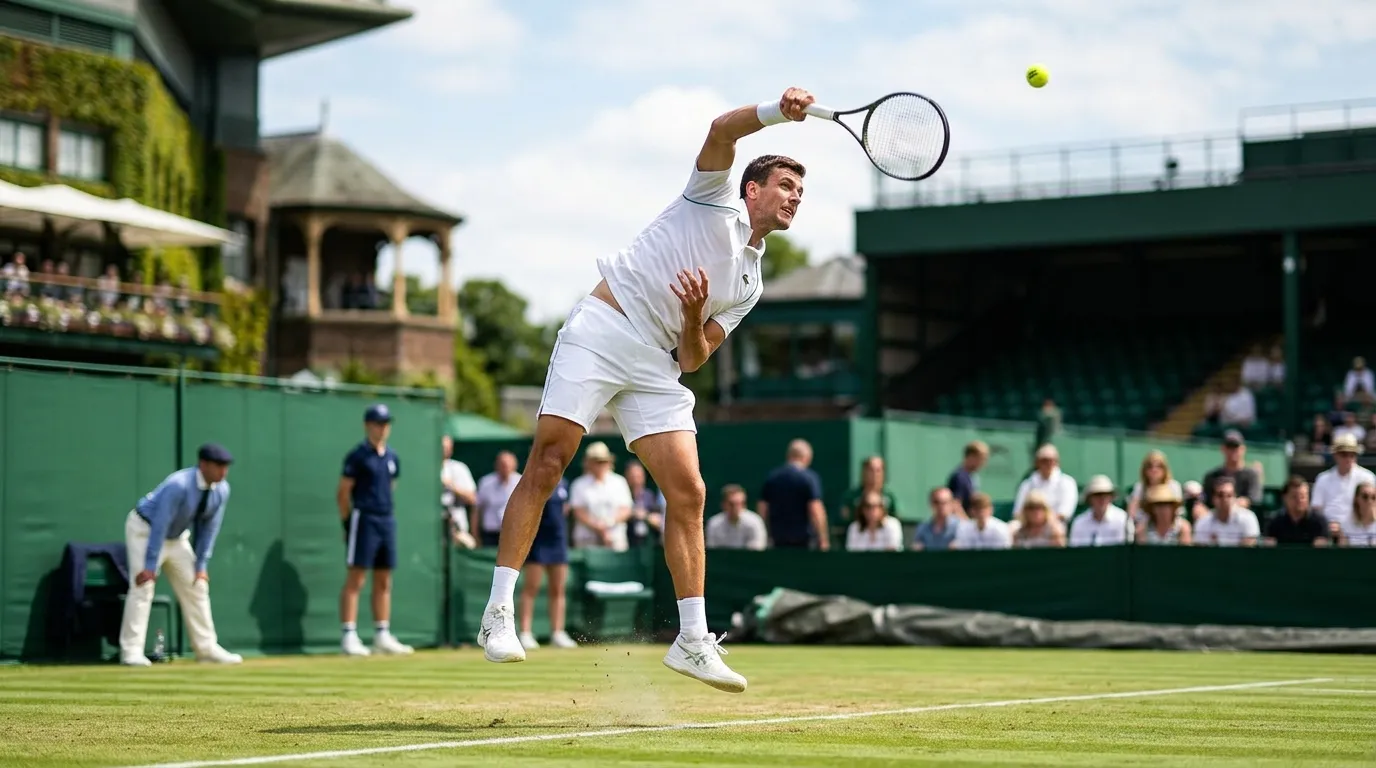
The foundation for all of this is a deep understanding of how each surface shapes the game, since you cannot identify a specialist without knowing what each court rewards. The clay swing is where this thinking pays off most richly and most often, and I lay out the mechanics of reading that surface in detail in my guide to clay court tennis betting. Learn what each surface demands, learn which players are built for it, and you turn the rankings’ biggest blind spot into your most dependable edge.
Articles
Created by the "bets-on-tennis.com" editorial team.
