

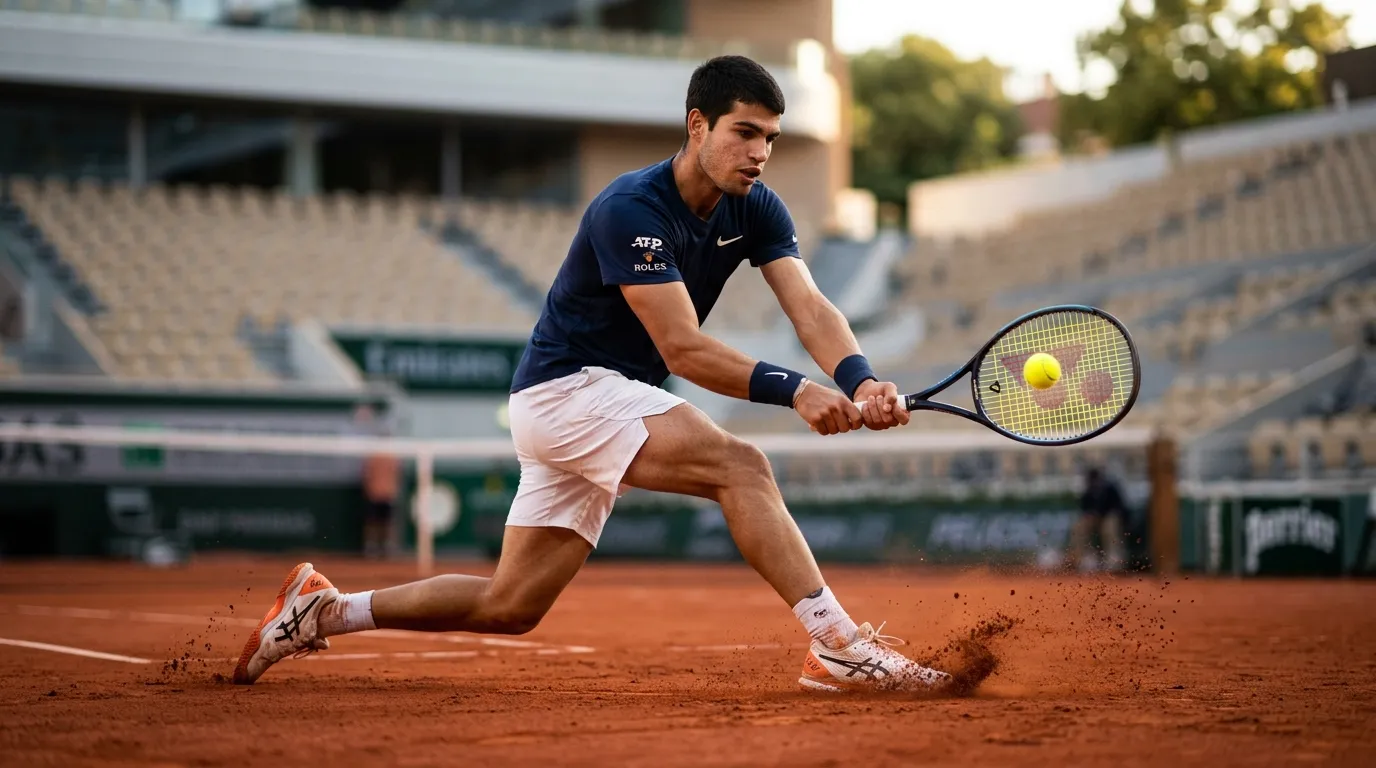
The first time I bet a clay swing the way I bet a hard-court one, I lost money for a month before the penny dropped. Clay is not just a different colour of court, it is a different sport with its own logic, and pricing it like everything else is a fast way to bleed a bankroll. The players who thrive on it, the matches that drag deep into deciders, the favourites who quietly underperform: none of it makes sense until you stop treating clay as an afterthought.
Clay court tennis is the slow-surface game, played mostly across the spring European season and crowned by the French Open. The ball sits up, rallies stretch out, and raw power matters far less than movement, patience and the ability to construct a point. For a bettor, that shift in physics changes everything about how a match is likely to unfold, and the markets do not always price it as sharply as they should.
Why the Surface Rewrites the Form Book
A player’s ranking tells you how good they are in general. On clay it can lie to you outright. The surface slows the ball and produces a high, heavy bounce, which neutralises the big servers and flat hitters who dominate quicker courts and hands the advantage to grinders who can defend, slide and outlast.
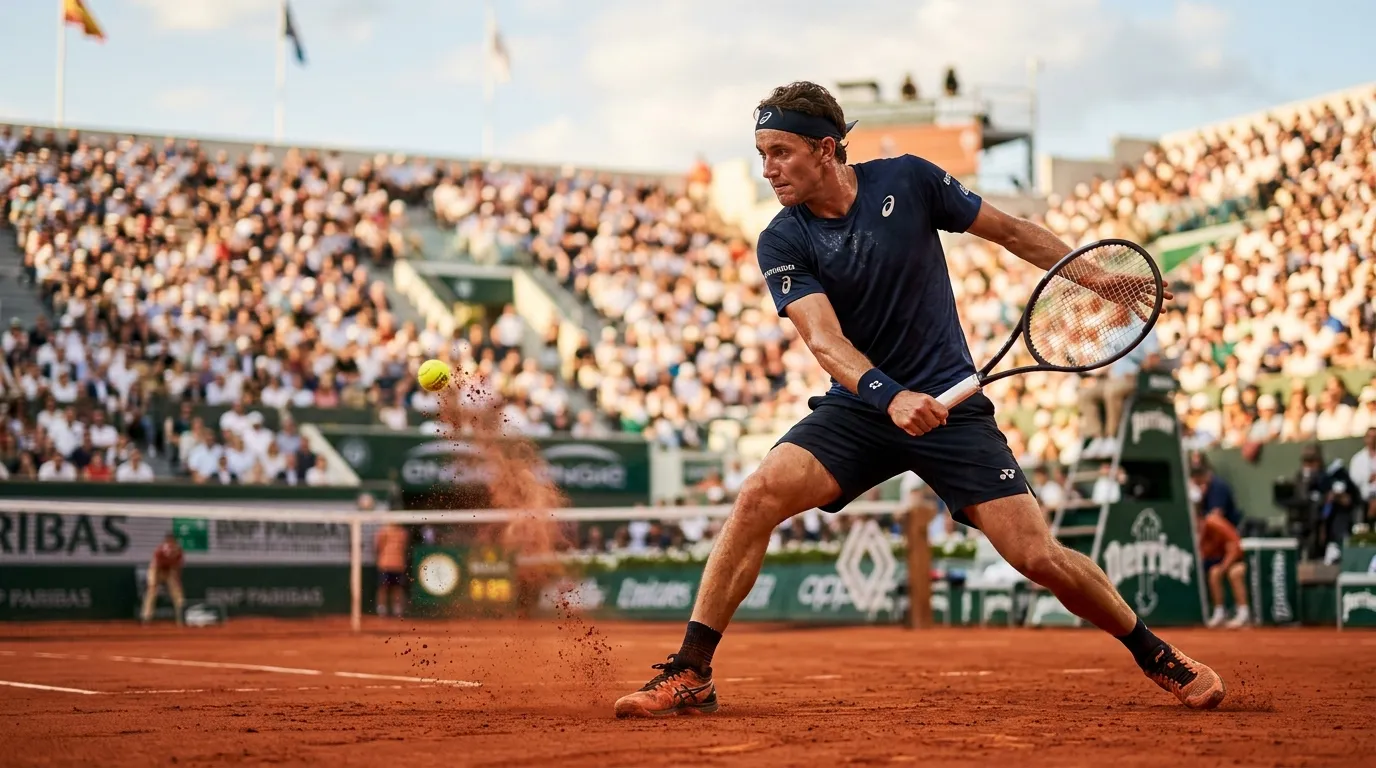
This is why every clay season produces specialists who punch far above their ranking and big names who suddenly look ordinary. A player ranked outside the top thirty who grew up on the dirt can be a genuine threat to a top-ten seed whose game is built on a flat serve and short points. The serve, the single most powerful weapon in tennis, loses a chunk of its edge when the surface gives the returner an extra split second to react. Break points become more frequent, holds become less automatic, and the whole rhythm of a match tilts toward the player who can stay in rallies rather than the one who tries to end them quickly.
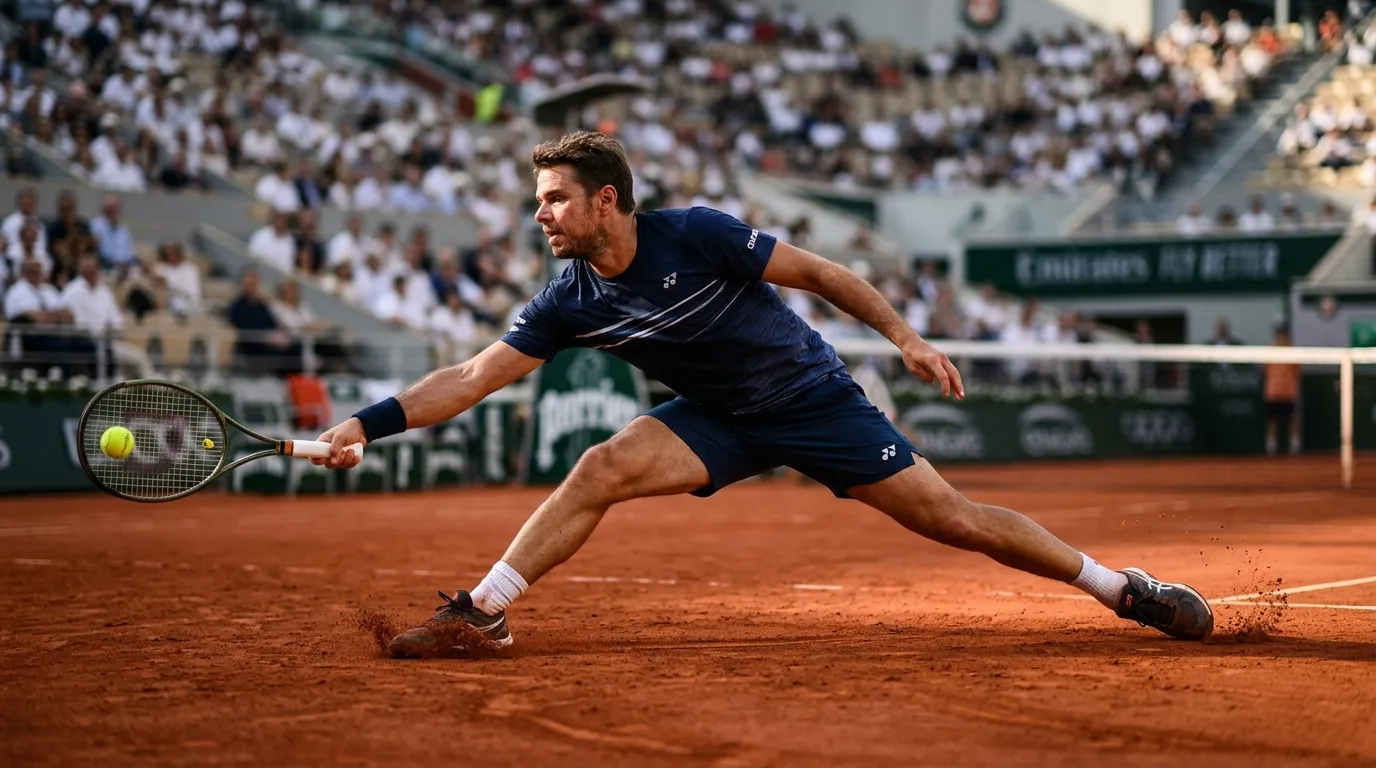
The practical lesson is to weight recent clay results far more heavily than overall form when a swing begins. A player arriving on clay off a strong hard-court run is not necessarily in good clay form, and the market sometimes carries that hard-court reputation onto the dirt where it does not belong. That gap between perception and surface reality is where the value sits.
The Long Match and What It Does to Markets
Clay matches last. Rallies are longer, breaks of serve trade back and forth, and a contest that would be a tidy two-set affair on grass can stretch into a three-hour war on clay. That duration is not just a feature of the spectacle, it is a feature you can bet on.
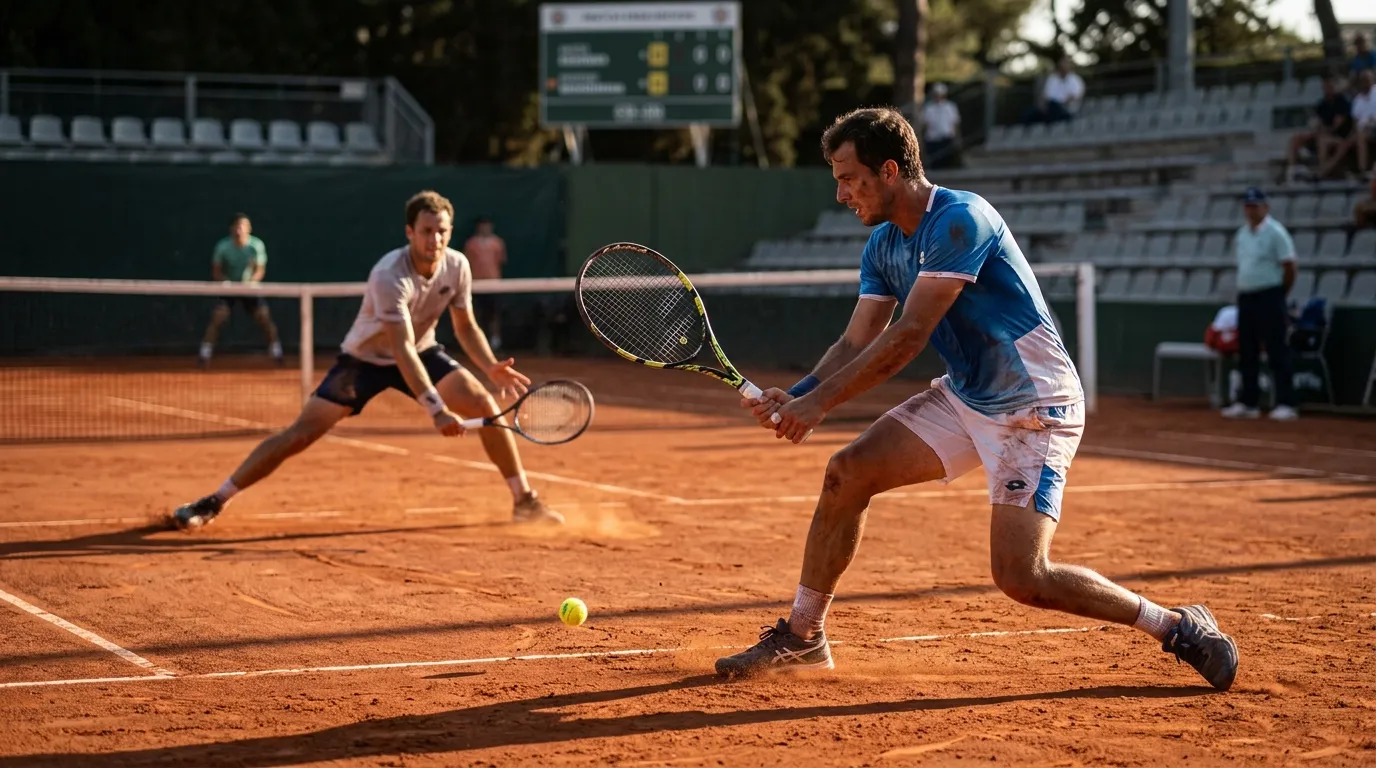
Because points are harder to finish and serve is less decisive, totals on clay behave differently. Games markets, set markets and the likelihood of a deciding set all shift when neither player can rely on cheap holds. I lean toward the over on games far more readily during the clay swing than I do on grass, because the surface mechanics push matches longer almost by default. The same logic makes the underdog live for longer: a player who would be blown off court in forty minutes elsewhere can hang around, force a tight first set, and offer real in-running value before the favourite eventually grinds through.
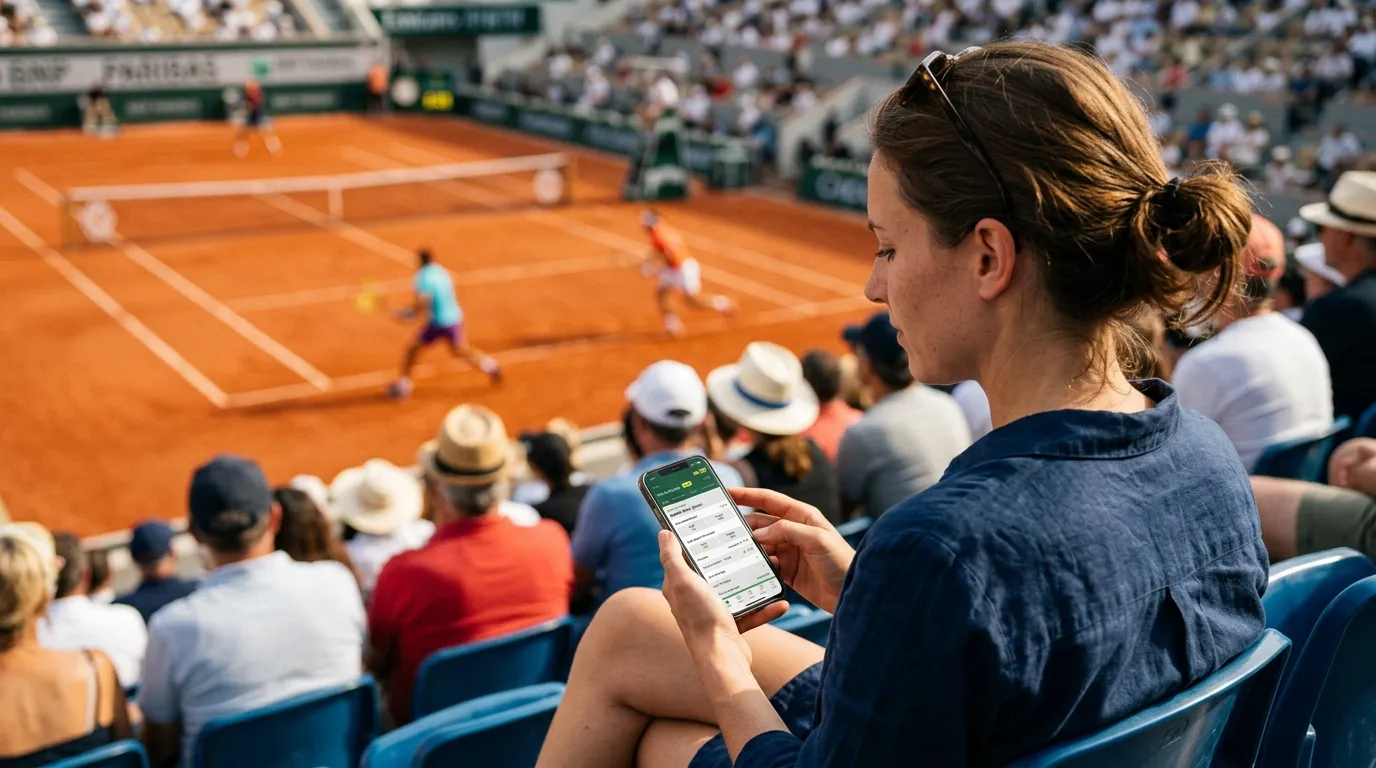
This is where the depth of clay-season markets becomes an asset rather than a footnote. The Grand Slams deliver continuous in-play markets across fourteen days of competition, which keeps liquidity flowing and gives a patient bettor a constant supply of live situations to read. On a long clay match, the in-play market is forever reacting to the last break, the last momentum shift, the last sign of fatigue, and a bettor who understands that the favourite often has to work far harder than the price implied can find spots the pre-match line missed entirely.
Building a Clay Season Edge
Here is a question worth sitting with: if clay is so different, why do so many bettors treat the spring swing as just more tennis to bet on? The answer is that clay rewards specialised knowledge, and specialised knowledge takes effort most punters will not put in. That reluctance is your opportunity.
Tennis is the fastest-growing segment in online betting, forecast to grow at a compound annual rate of 13.83 percent to 2031, the highest of any sport, and a meaningful chunk of that volume pours in during the marquee clay events when casual interest spikes. More casual money means softer markets, especially on the players the wider public has never watched on the surface. The bettor who has tracked who moves well on the dirt, who tires in long matches and who quietly racks up wins on lower-tier clay events is operating with information the crowd simply does not have.
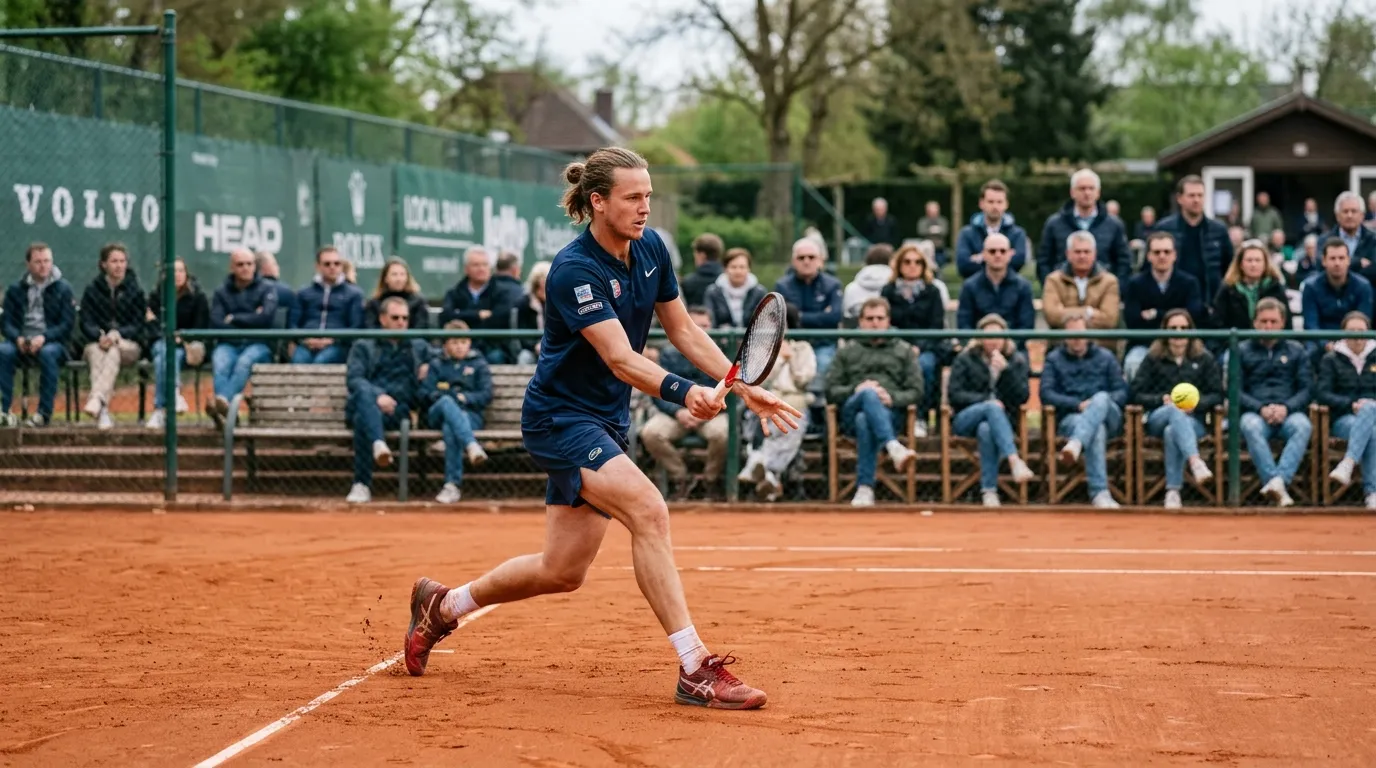
Nick Iliffe, the ITIA’s director of intelligence, captured something fundamental when he noted that “tennis is a global sport with no real off-season,” and the clay swing is a vivid example. While the public tunes in for the headline fortnight, the surface specialists have been building form for weeks on smaller European clay events that barely register with casual viewers. Tracking that quieter circuit is exactly the kind of homework that separates a clay-season bettor from a clay-season gambler.
My own approach is to treat the clay months as a distinct campaign rather than a continuation of the season. I rebuild my read on each contender from their clay record, I expect long matches and price totals accordingly, and I stay especially alert to specialists meeting reputations. The crown jewel of all this, where the surface knowledge pays off most richly, is the showpiece in Paris, and I dig into that specifically in my guide to French Open tennis betting. Get the surface right and the rest of the clay season starts to read like an open book.
Articles
Created by the "bets-on-tennis.com" editorial team.
