

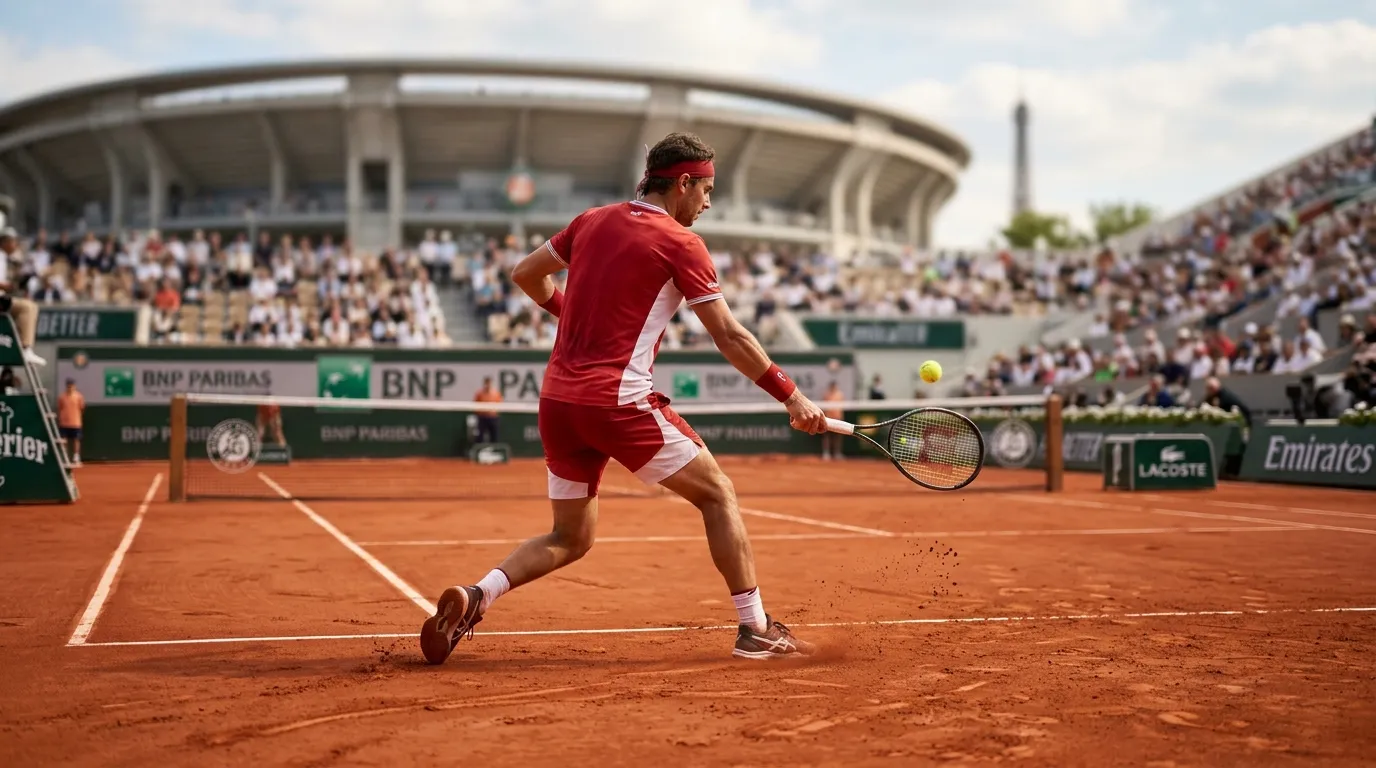
Roland Garros is the great equaliser of the Grand Slam calendar, the one major where reputation counts for least and surface mastery counts for everything. The red clay of Paris does not care how many fast-court titles you have won. It rewards the players who can slide, defend, construct points and endure for hours under the spring sun, and it ruthlessly exposes those who cannot. For a bettor, that makes it the most distinctive and, frankly, the most readable major of the four.
The French Open is the showpiece of the clay season, played on the slowest surface in tennis across a fortnight that demands more physically than any other Slam. The ball sits up, rallies stretch to absurd lengths, and matches routinely run past four hours. Everything that makes clay tennis unique is concentrated here, and a bettor who has done the surface homework arrives with a genuine advantage over a market that often still leans on hard-court reputations.
Why Clay Pedigree Beats Ranking
The single most important factor at Roland Garros is clay form, and it trumps world ranking again and again. The slow surface neutralises the big serves and flat power games that dominate elsewhere, handing the advantage to the grinders, the defenders and the players who grew up sliding on the dirt. A top-ten seed whose game is built on quick points can be genuinely vulnerable to a clay specialist ranked far below them.
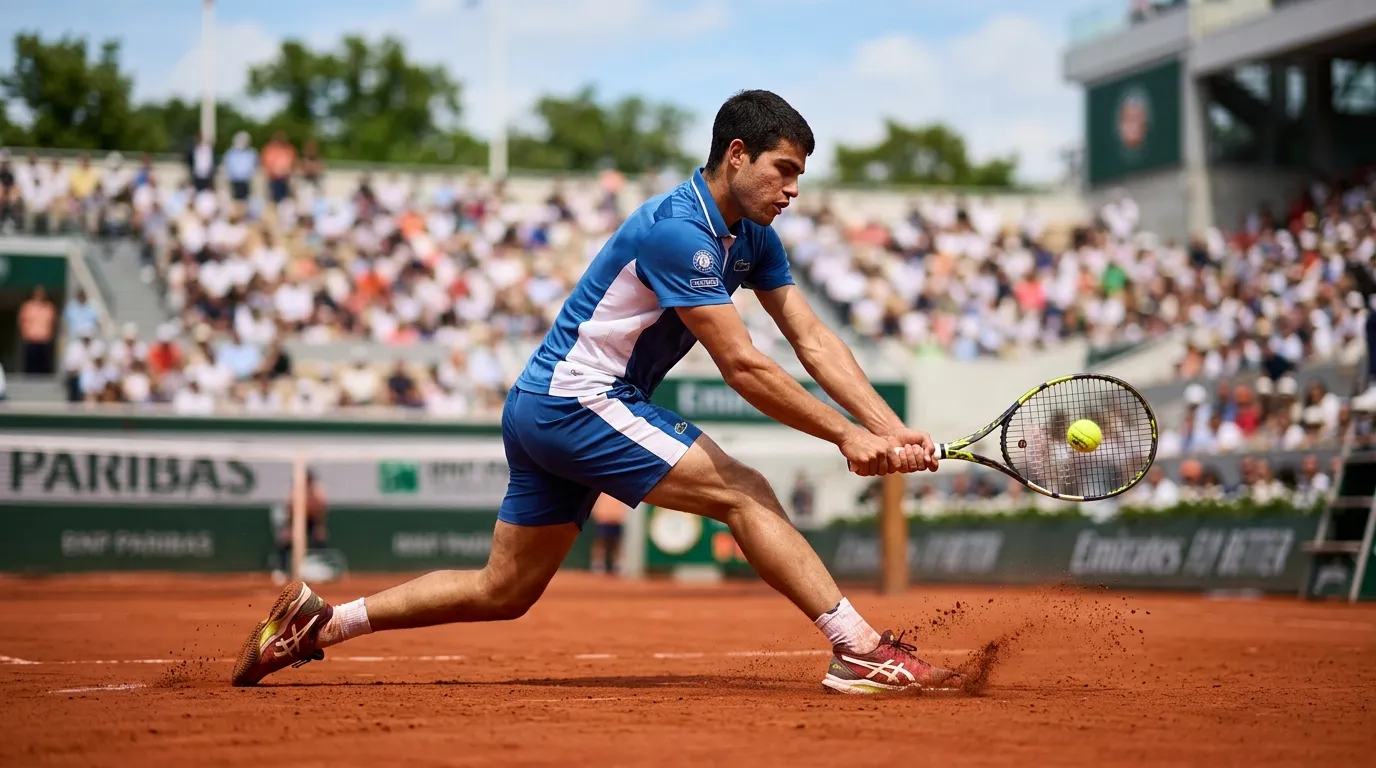
I weight the spring clay swing heavily when reading this draw, because the warm-up events tell me who has arrived in form and who is still searching for their footing. A player who has racked up wins on European clay in the weeks before Paris is a far better bet than a higher-ranked name coming off a strong hard-court season but with little recent time on the dirt. The market sometimes carries that hard-court reputation onto the clay where it simply does not belong, and that mismatch between perception and surface reality is the richest seam of value at this event.
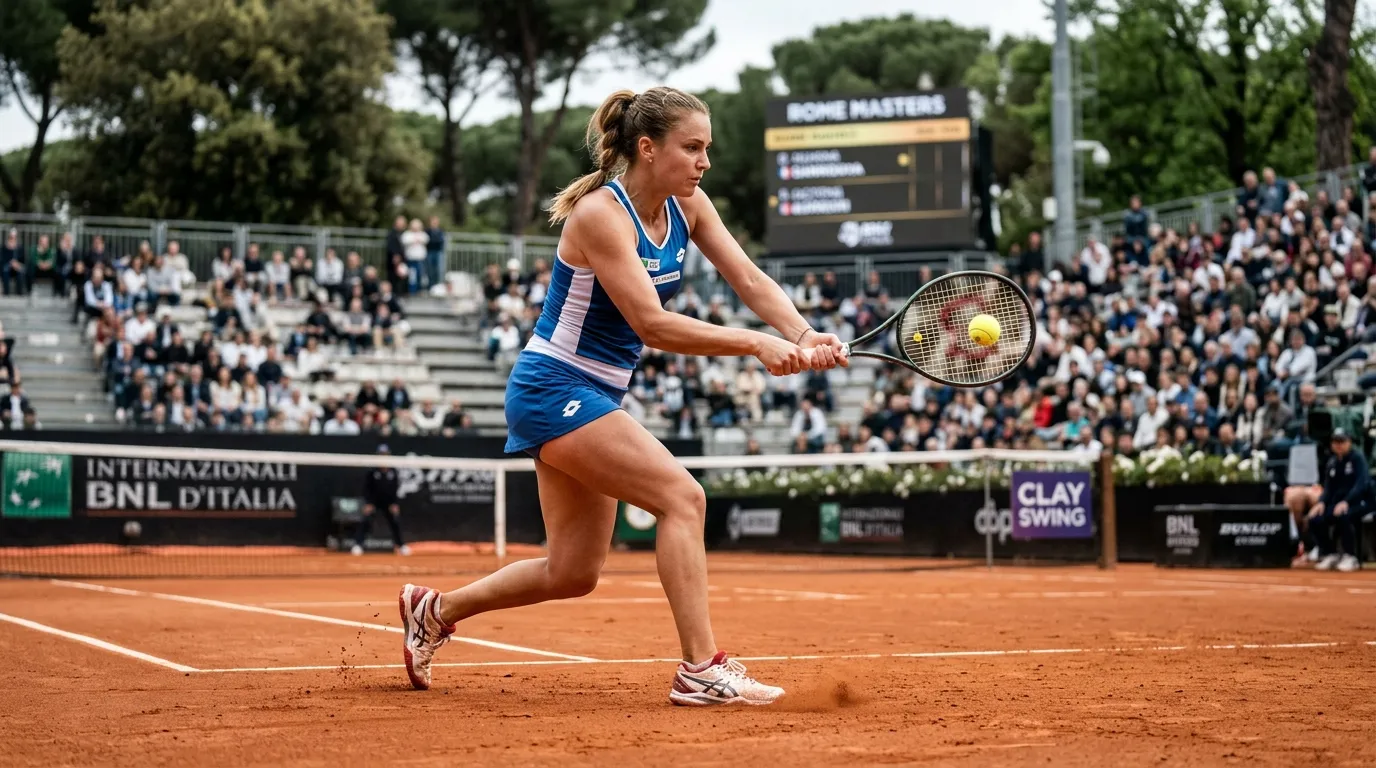
The depth of clay specialists also makes the early rounds treacherous for the seeds. Every year, players who barely register with the casual public ambush bigger names simply because they are at home on the surface and their opponent is not. Reading the draw for those clay-court dangers, the unseeded grinders who can drag a favourite into a five-hour ordeal, is the first job when the bracket comes out.
The Marathon Factor
Picture a match that has already lasted four hours, both players cramping, the light fading over Paris, and a fifth set still to play. That scenario is not rare at Roland Garros, it is routine, and it changes how every market should be read. The French Open is a test of endurance unlike anything else in the sport.
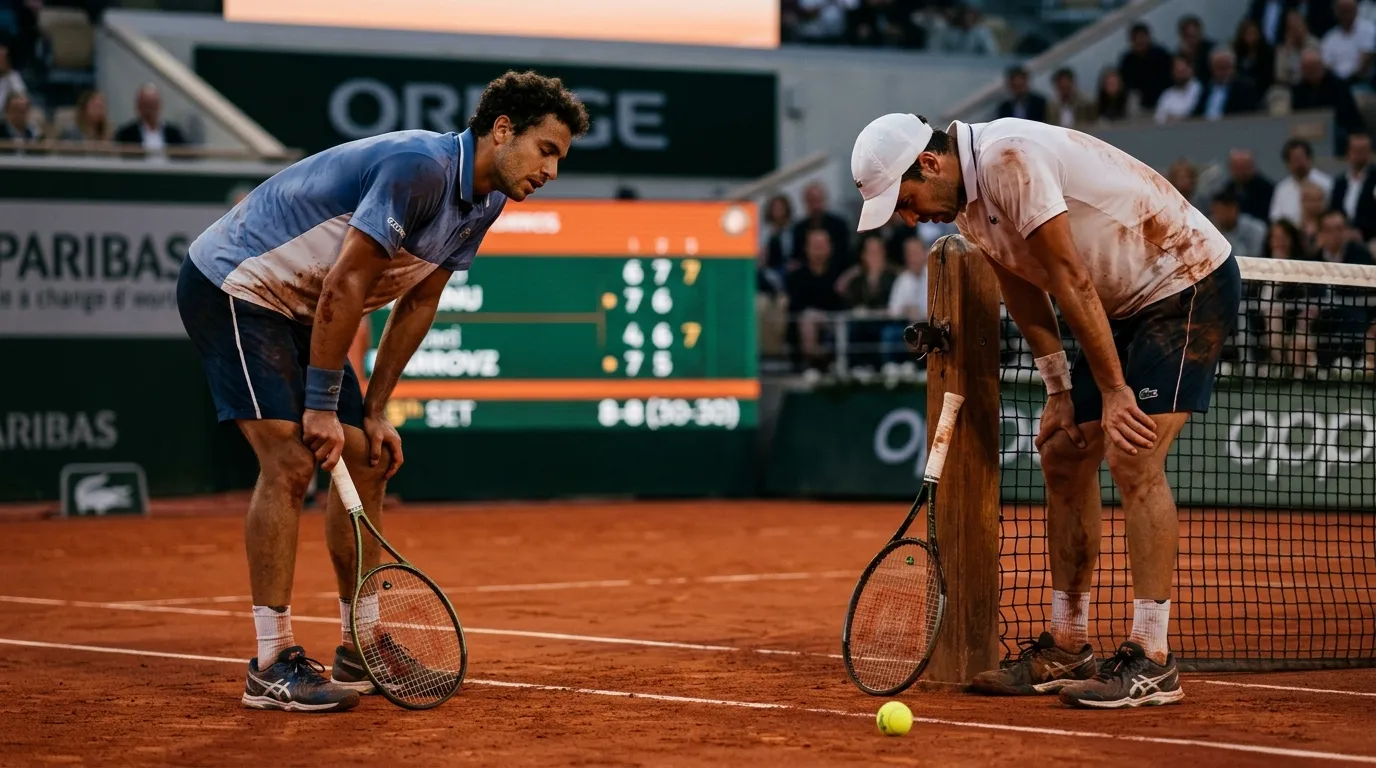
Because clay matches last so long and breaks of serve trade back and forth, totals behave differently here than at any other major. Games markets run higher, deciding sets are more common, and the underdog stays live far longer than they would on a quick surface. I lean toward the over on games more readily during this fortnight, and I am slower to write off a player who has dropped the first set, because the surface gives them the time and the openings to fight back. A two-set deficit on grass is often terminal. On clay it is a setback, not a sentence.
This endurance demand also makes the physical condition of each player paramount as the rounds progress. A seed who has survived two marathon five-setters to reach the quarter-finals is carrying that load into every subsequent match, and the toll shows up in the long rallies and the latter stages. The structure of the event gives a patient bettor ample room to act on this, since the French Open delivers continuous in-play markets across its fourteen days, and the long, momentum-swinging matches produce in-running situations on a scale no faster surface can match. A favourite labouring through a gruelling contest is often a far better lay than the pre-match price suggested.
The Roland Garros Game Plan
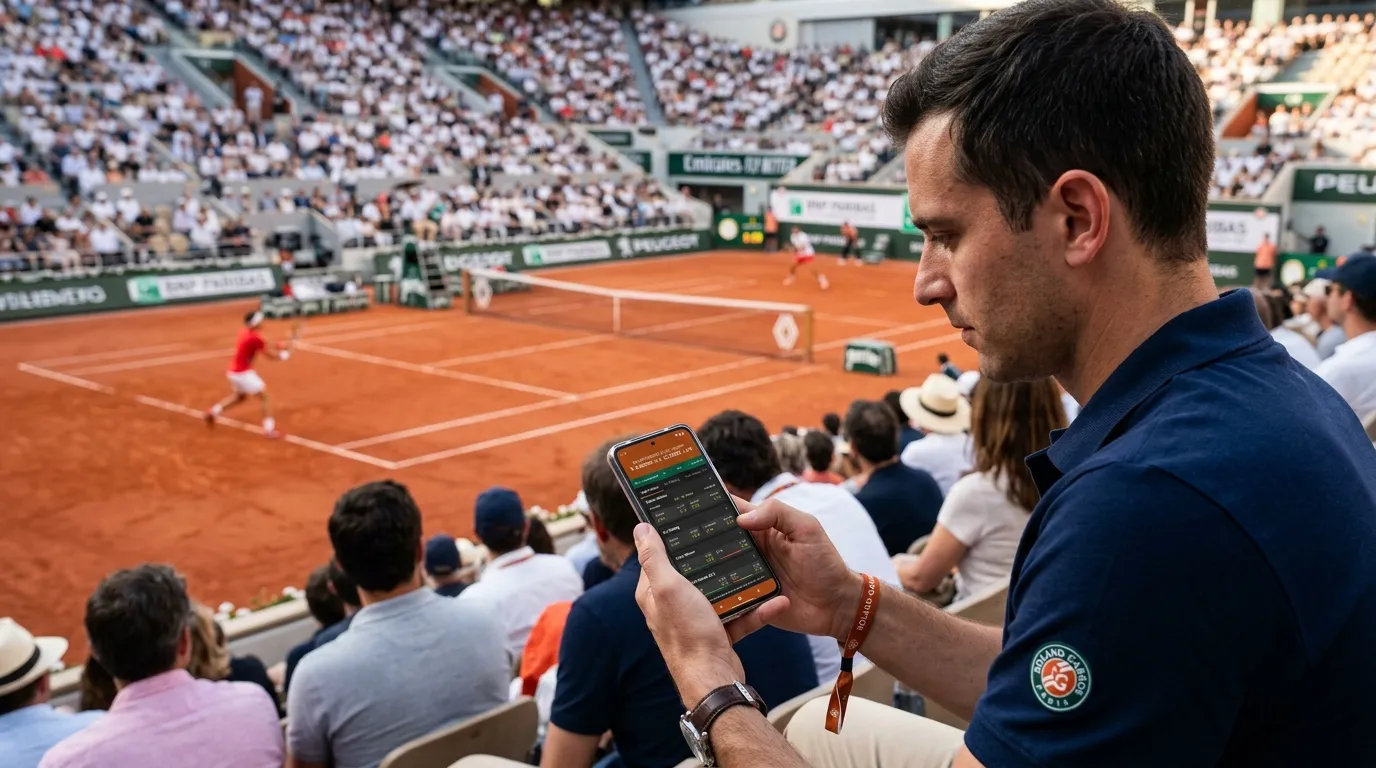
Tennis is the fastest-growing online betting segment, forecast to expand at 13.83 percent a year to 2031, the highest growth rate of any sport, and the marquee clay major draws a surge of that casual money onto markets it barely understands. That influx is precisely what creates the openings, because the casual bettor backs the famous name while the informed bettor backs the clay-court reality, and at Roland Garros those two things diverge more than at any other Slam.
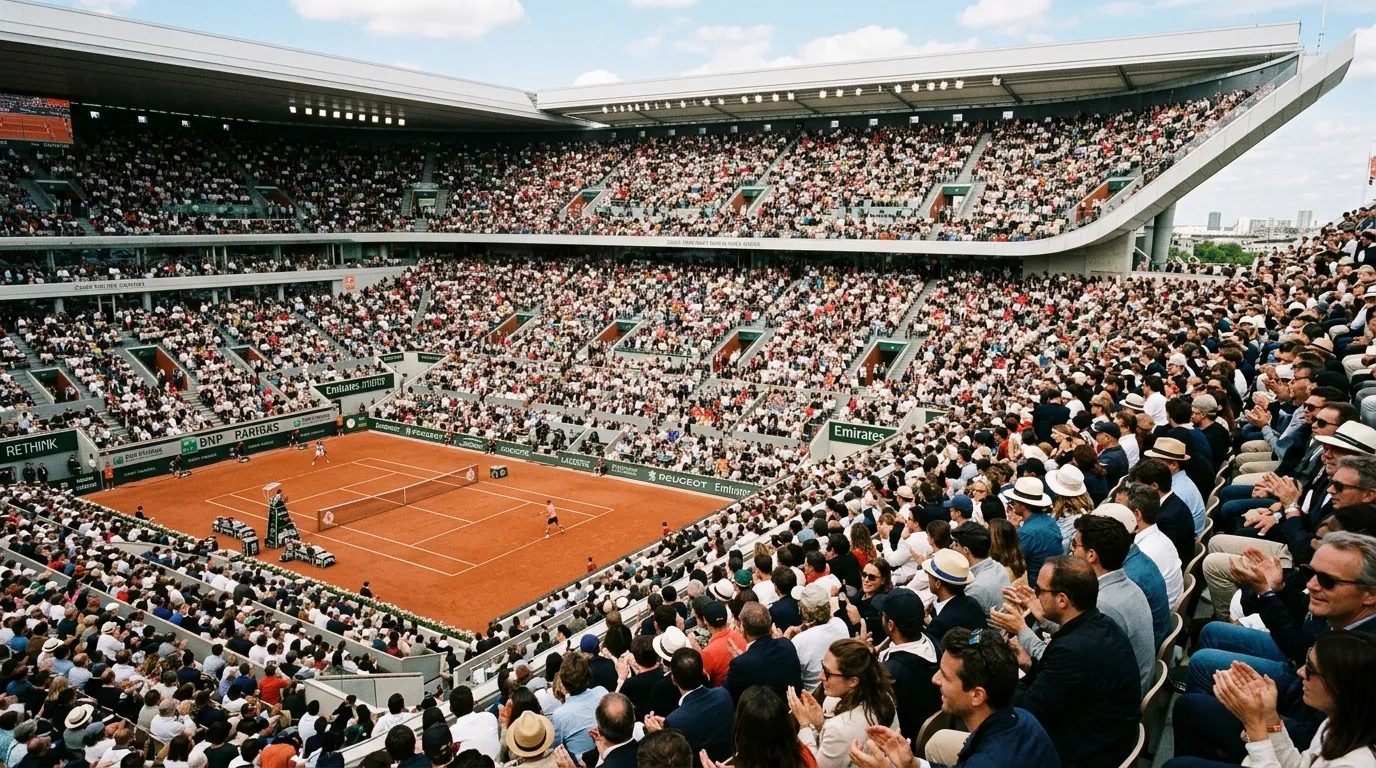
My plan for the fortnight is built around the surface. I rebuild my read on every contender from their clay record rather than their overall standing, I expect long matches and price totals accordingly, and I stay alert through the early rounds for specialists ambushing reputations. As the draw narrows, the established clay quality tends to reassert itself, so I shift from hunting first-week upsets to reading the supporting markets among the genuine contenders.
None of this works without a firm grasp of how the surface itself behaves, because the slow clay is the engine driving every pattern at this tournament. I lay out that foundation in detail in my guide to clay court tennis betting, and it is the lens that turns Roland Garros from a parade of surprising results into a logical, readable event. Master the dirt and the most demanding major on the calendar becomes the one where preparation pays off most handsomely.
Articles
Prepared by the bets-on-tennis.com editorial staff.
