


Backing a tournament winner is the most patient bet in tennis, and patience is exactly the muscle most bettors have never trained. You place the wager, then you wait days or sometimes a fortnight while your stake sits frozen and your fortunes ride on seven matches you cannot influence. Most of the millions of Britons who place a bet in any given month are wired for the instant resolution of a single match. Outright betting asks for the opposite temperament entirely.
An outright, or futures, bet is a wager on the eventual winner of a whole tournament rather than the result of any individual match. Grainne Hurst, the Betting and Gaming Council chief, reckons that “around 22.5 million adults in Britain enjoy a bet each month,” and the outright market is where the most committed of them park a stake for the long haul. It is a fundamentally different proposition from match betting: a long horizon, a price that swings with every round, and capital that is locked up until the final point is played. Treat it like a match bet and you will misjudge both the risk and the value.
Why an Outright Is Not Just a Bigger Match Bet
The mistake I made early on was thinking of an outright as a match bet with more zeros on the price. It is not. A match bet resolves in two or three hours and depends on one opponent. An outright depends on your player navigating an entire draw, beating six or seven different opponents, staying healthy, and avoiding the single bad day that ends everyone’s tournament.

That compounding is the whole story. Even a dominant favourite who is, say, 80 percent likely to win any given match is far from certain to string seven such wins together. Multiply those probabilities and the trophy becomes a genuinely uncertain outcome, which is why even the shortest outright favourites trade at prices that would be unthinkable in a single match. You are not betting on a player’s quality. You are betting on their quality surviving a gauntlet.
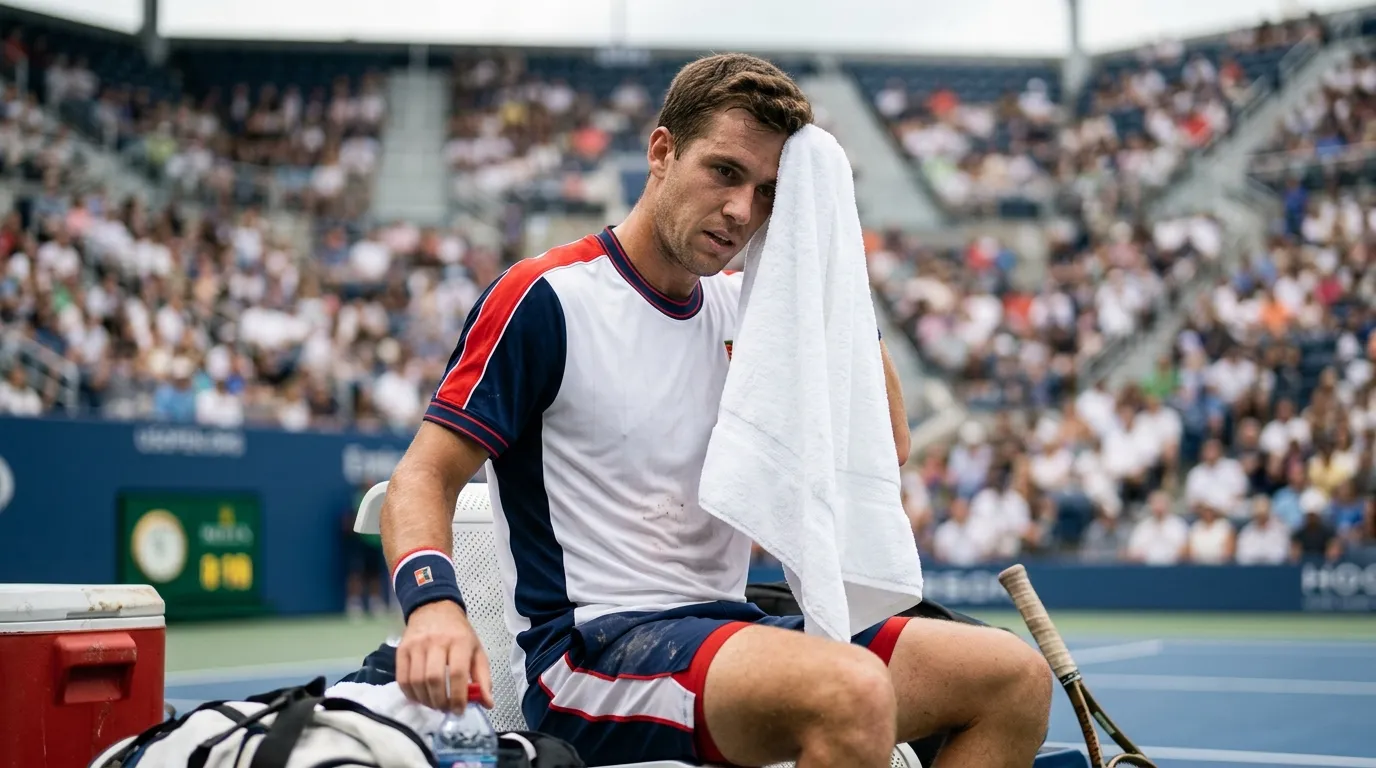
Tennis is the fastest-growing segment of online betting, with a forecast compound annual growth rate of 13.83% to 2031, the highest of any sport, and outright markets are a big part of why. They give bettors a reason to stay engaged across an entire event rather than dipping in for one match. But that engagement cuts both ways. The longer your bet lives, the more rounds there are for an injury, an upset or a draw collapse to wipe it out, none of which you can see coming when you place it.
How the Draw Quietly Decides the Price
The day the draw is released is the most important day in the outright market, and most casual bettors barely glance at it. The seeding tells you who is good. The draw tells you who has an easy road and who has been handed a minefield, and those are not the same thing at all.
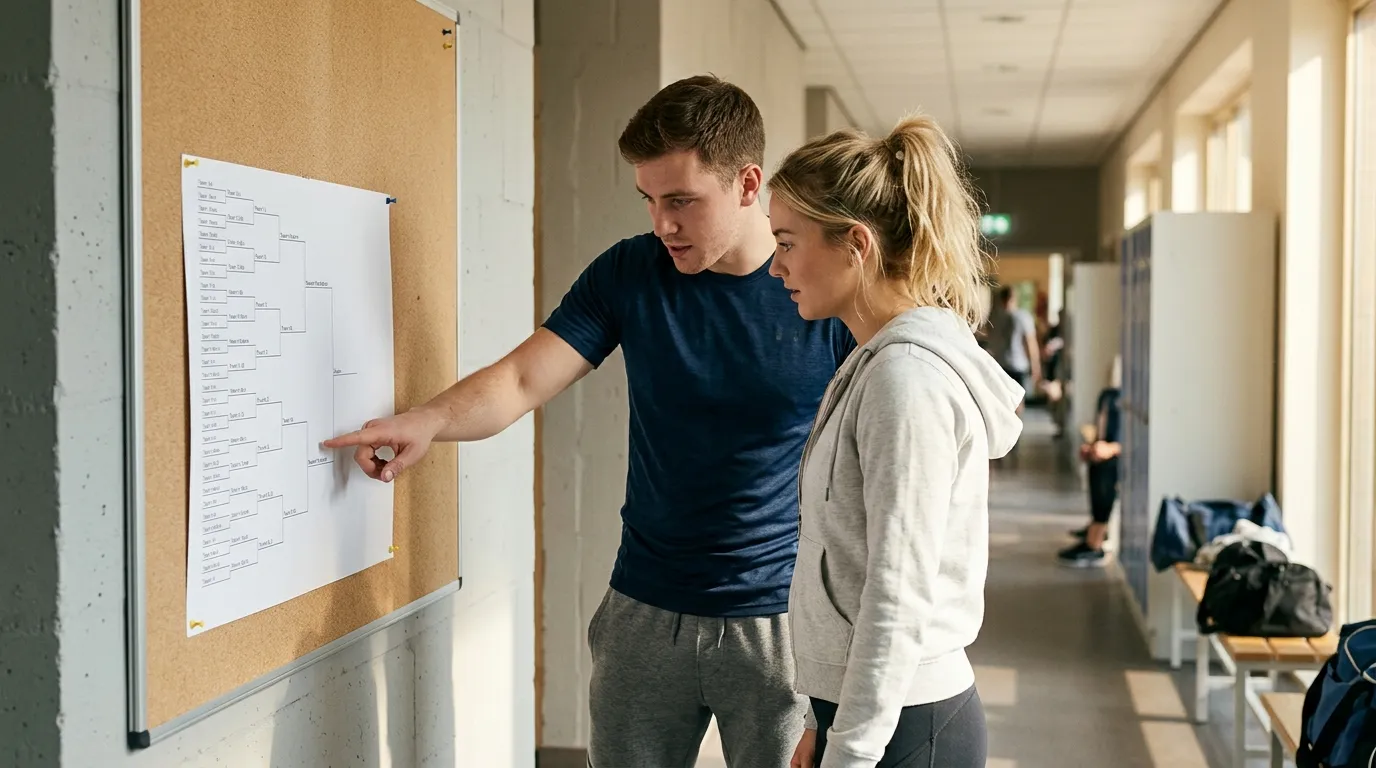
Seeding protects the top players from meeting each other early, but it cannot control everything. A second seed can be drawn into a quarter packed with dangerous floaters and in-form qualifiers, while a fourth seed cruises through a soft section. Their seeding suggests the second seed is the better bet, yet their path suggests the opposite. Reading the draw means tracing each contender’s likely route to the final and asking who faces the most resistance before the business end.
This matters most at the Slams, where the format is unforgiving and the event runs long. Grand Slam tournaments provide a continuous flow of in-play markets across fourteen days, which keeps the outright price moving constantly as results come in and sections clear or detonate. A favourite whose half of the draw blows up overnight can shorten dramatically by the morning, while a player whose section turns into a battlefield drifts even if they keep winning. Following the draw lets you anticipate those moves rather than chase them.
My honest answer to whether the draw matters more than seeding is: for outright value, almost always yes. Seeding is baked into the opening price. The draw is the new information that reprices everything, and it is where a sharp reader gains an edge over a market still anchored to the seedings.
Ante-Post Timing and the Price You Lock In
Timing an outright is a trade-off, and there is no free option. Bet early, before the draw, and you get the longest prices but you are blind to the path your player will face. Bet after the draw and you pay shorter odds for the privilege of knowing the road ahead. I have done both, and neither is simply “correct.”

Ante-post betting, which means betting well in advance of an event, offers the biggest prices precisely because so much is unknown. The catch is that ante-post stakes are typically lost if your player withdraws before the tournament begins, so an injury picked up in practice can void your bet with no refund. That risk is the price of the longer odds. I only bet ante-post on players I am confident are fit and committed to the event.

Waiting for the draw trades price for information. Once you can see who your player must beat, you make a far more informed bet, but the market has often already moved to reflect the obvious. The skill is judging when the post-draw price still undervalues a player whose path the market has underrated, which happens more than you might expect when a contender’s section looks tougher on paper than it will play out.
Keeping a Long Bet From Owning You
The final discipline is managing the bet once it is live, because an outright will test your nerve in ways a match bet never does. Your stake is frozen for the duration, your player’s price will swing with every result, and the temptation to trade in and out can quietly erode any edge you had. Treat the locked capital as genuinely spent until the tournament ends, and size it so its absence from your bankroll does not distort your other betting.

I also resist the urge to overload a single event with outrights. Backing three players to win the same tournament feels like diversification, but you are really just paying the margin three times to guarantee that at least two of your bets lose. One well-reasoned outright, sized sensibly, is almost always better than a scattergun across the favourites. The bookmaker loves a bettor who covers the field.
Where outrights genuinely shine is at the marquee events, where the long format rewards the best players and the fortnight gives the market plenty to chew on. The grass-court Slam is a perfect case study in how a draw, a surface and a format combine to shape outright value, and I walk through all of it in my Wimbledon betting guide. Read the event, not just the name on the trophy you fancy, and the outright stops being a lottery ticket and starts being a considered position.
Articles
Created by the "bets-on-tennis.com" editorial team.
