

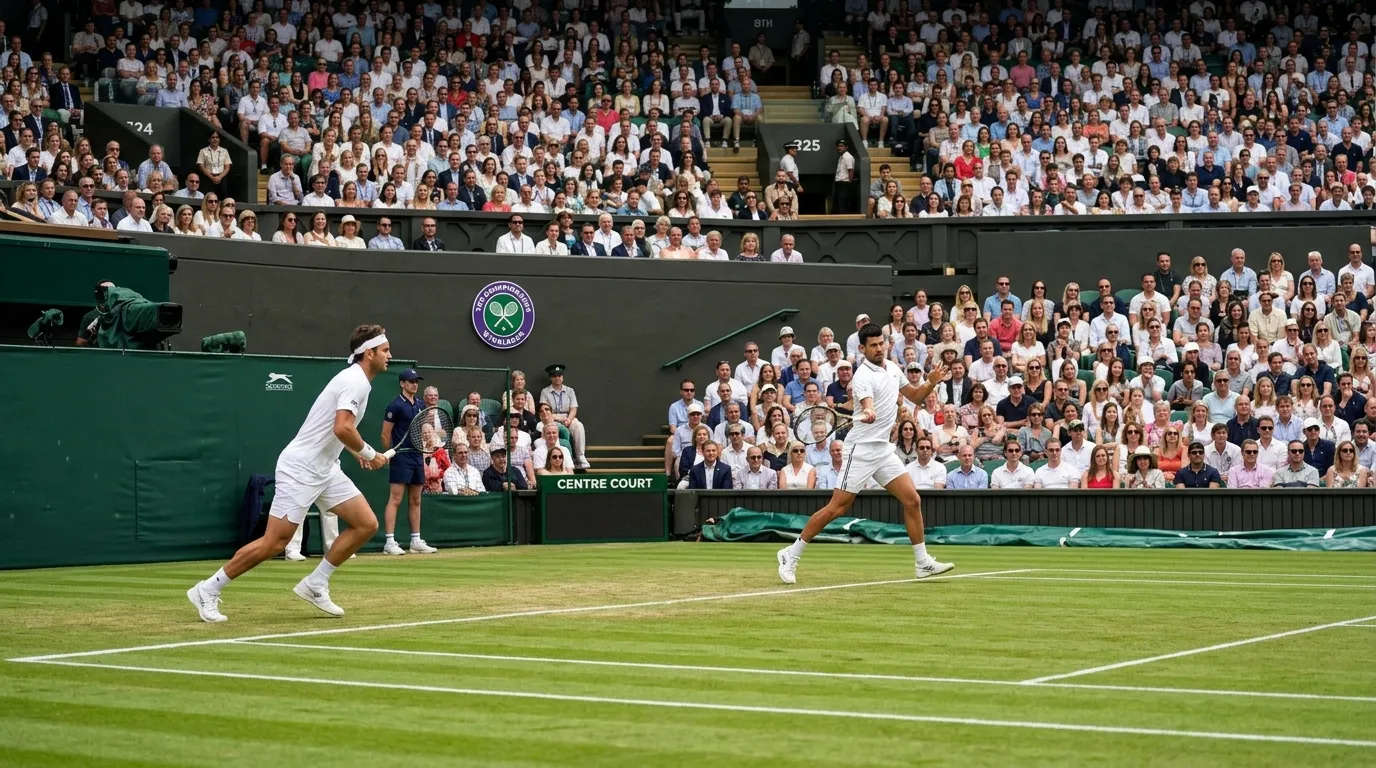
Wimbledon is the one fortnight of the year when half the country suddenly cares about tennis, and that surge of casual attention is exactly why it is such a rewarding event to bet well. The strawberries, the whites, the hush before a serve: it is the most watched tennis on the calendar, and the markets swell with money from people who could not name a single player three weeks earlier. For a bettor who knows the grass, that flood of casual cash is an opportunity, not a nuisance.
The Championships are played on grass, the fastest and most distinctive surface in the sport, across a fortnight that crowns the grass season. Everything that makes grass tennis unpredictable, the serve dominance, the early upsets, the volatility, is concentrated and amplified here by the occasion. Approaching Wimbledon the way you would approach any other tournament is the surest way to give your money back, so it pays to treat the event on its own terms.
Why the Casual Money Moves the Markets
Grainne Hurst, who runs the Betting and Gaming Council, has pointed out that “around 22.5 million adults in Britain enjoy a bet each month,” and during Wimbledon a remarkable slice of those people place a tennis bet for the only time all year. That matters, because casual money does not behave like sharp money. It piles onto the famous names, the home favourites and the players the public recognises from the highlights, regardless of how they actually match up on grass.
This creates predictable distortions. The household names get backed down to prices shorter than their true chances justify, simply because everyone has heard of them, while genuine grass-court threats who lack a public profile drift out to value. A player with a monstrous serve and a strong grass record but no marquee reputation can be a far better bet than a glamorous seed whose game is built for slower courts. The crowd bets the name, the informed bettor bets the matchup, and at Wimbledon the gap between those two things is at its widest all year.

The home favourite phenomenon is the sharpest example. British players are routinely overbet at Wimbledon by a patriotic public, which can hand value to their opponents and, occasionally, makes the British player a poor price even when they are genuinely good. I never let the occasion or the flag cloud the actual matchup, because the market certainly does, and that is precisely where the edge comes from.

Reading the Draw and the Surface
The first thing I do when the draw comes out is hunt for the dangerous floaters, the unseeded big servers who can ambush a top player in the early rounds. On grass, these players are lethal precisely because the surface lets one inspired serving performance topple a superior opponent over three or five sets. The draw is not just a bracket, it is a map of where the upsets are most likely to detonate.

Grass rewards a specific profile, and I weight that heavily through the first week. A big serve, comfort at the net, a low and penetrating slice, the willingness to shorten points: these traits travel well at Wimbledon, and the players who possess them outperform their rankings here. The clay-court specialists who dominated a few weeks earlier often struggle to adapt, and the early rounds are littered with their scalps. Recent grass form and a player’s career record at the All England Club tell me far more than their world ranking.
The structure of the event also gives a patient bettor enormous scope, because Wimbledon delivers continuous in-play markets across its fourteen days, with liquidity flowing through every session on every court. That depth means I am never short of live situations to read once the tournament settles. As the rounds progress and the draw narrows, the grass starts to favour the established quality again, the serve-led volatility of week one gives way to the more predictable patterns of the second week, and I adjust my approach accordingly rather than betting the final four the way I bet the first round.
My Fortnight-Long Plan of Attack
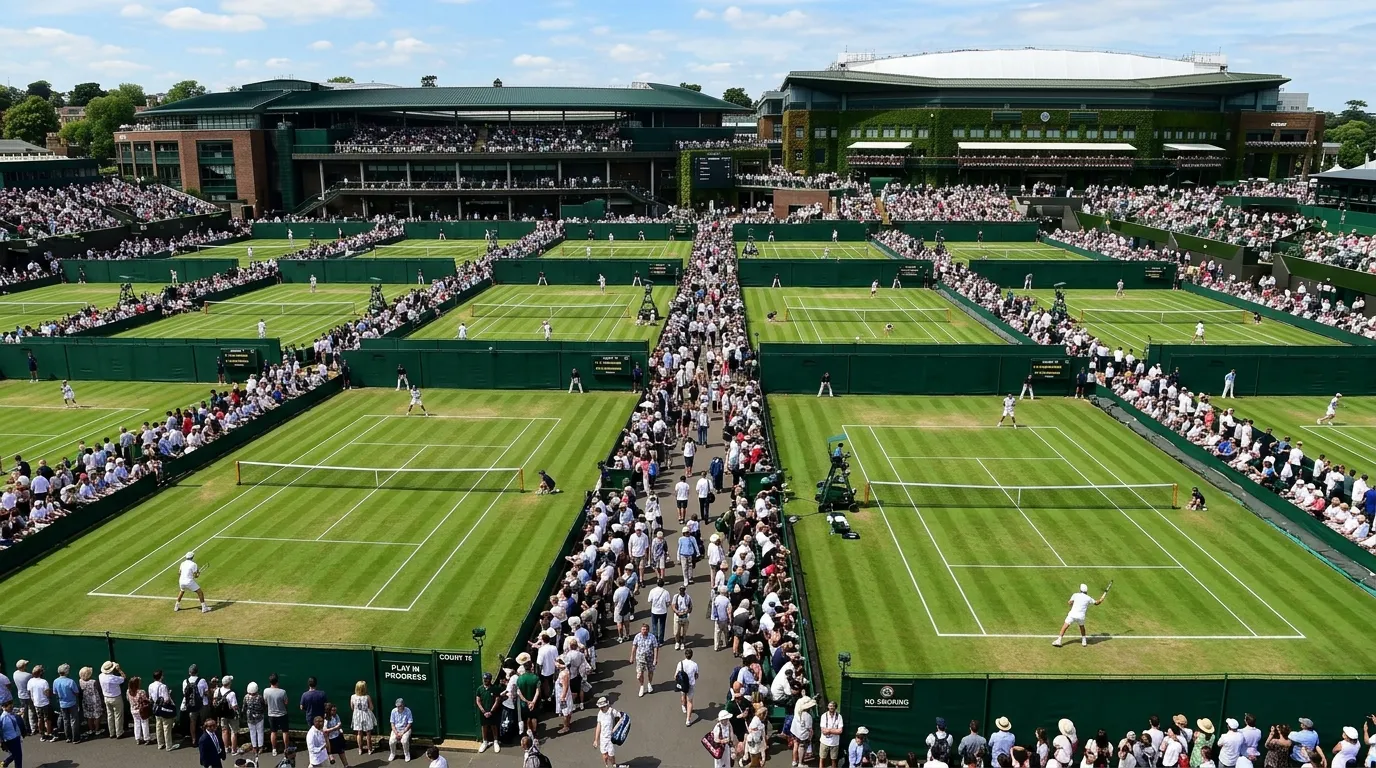
The shape of my Wimbledon betting changes as the tournament unfolds, and that adaptability is the heart of it. In the first week I am hunting upsets and fading overbet names, looking for live underdogs with the serve to trouble a favourite and for public darlings priced far shorter than the grass justifies. The early rounds are where the casual money is thickest and the mispricing is most blatant.
By the second week the field has thinned to genuine quality, the surface has slowed and roughened slightly from a week of play, and the matches become more about depth and consistency than about a single hot serving display. I shift from chasing upsets to reading the supporting markets, the handicaps, the totals, the set betting, where a specific view on how a match will unfold can outrun the price even among the elite. The straight winner becomes harder to beat as the favourites firm up, so the value migrates to the details.
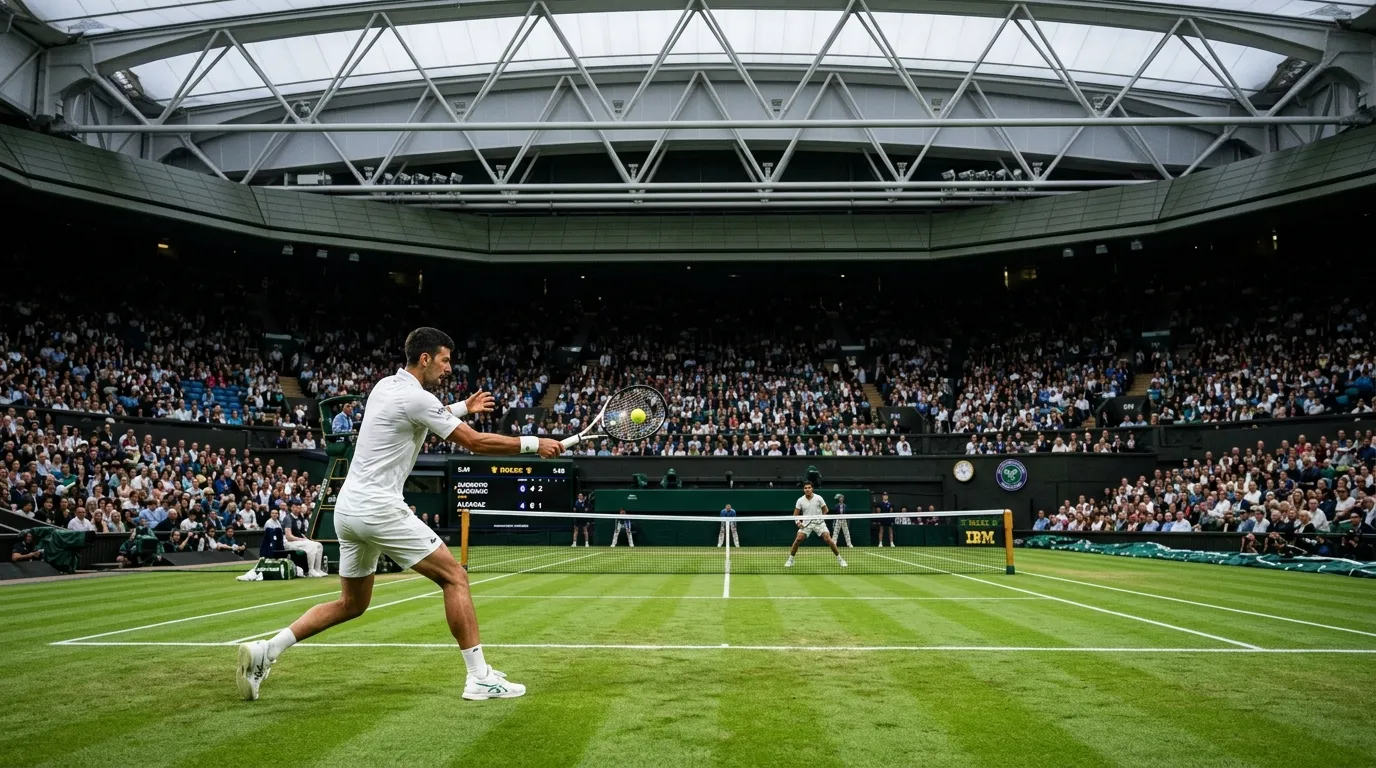
Underpinning all of it is the surface knowledge that makes Wimbledon legible in the first place. If you do not understand why grass produces the results it does, the whole fortnight looks like a series of random shocks rather than the predictable consequence of a fast court rewarding a particular kind of player. I lay out that foundation in full in my guide to grass court tennis betting, and it is the lens through which everything at the Championships comes into focus. Bring the surface read, ignore the noise around the famous names, and Wimbledon turns from a lottery into the most bettable fortnight of the summer.
Articles
Prepared by the bets-on-tennis.com editorial staff.
