

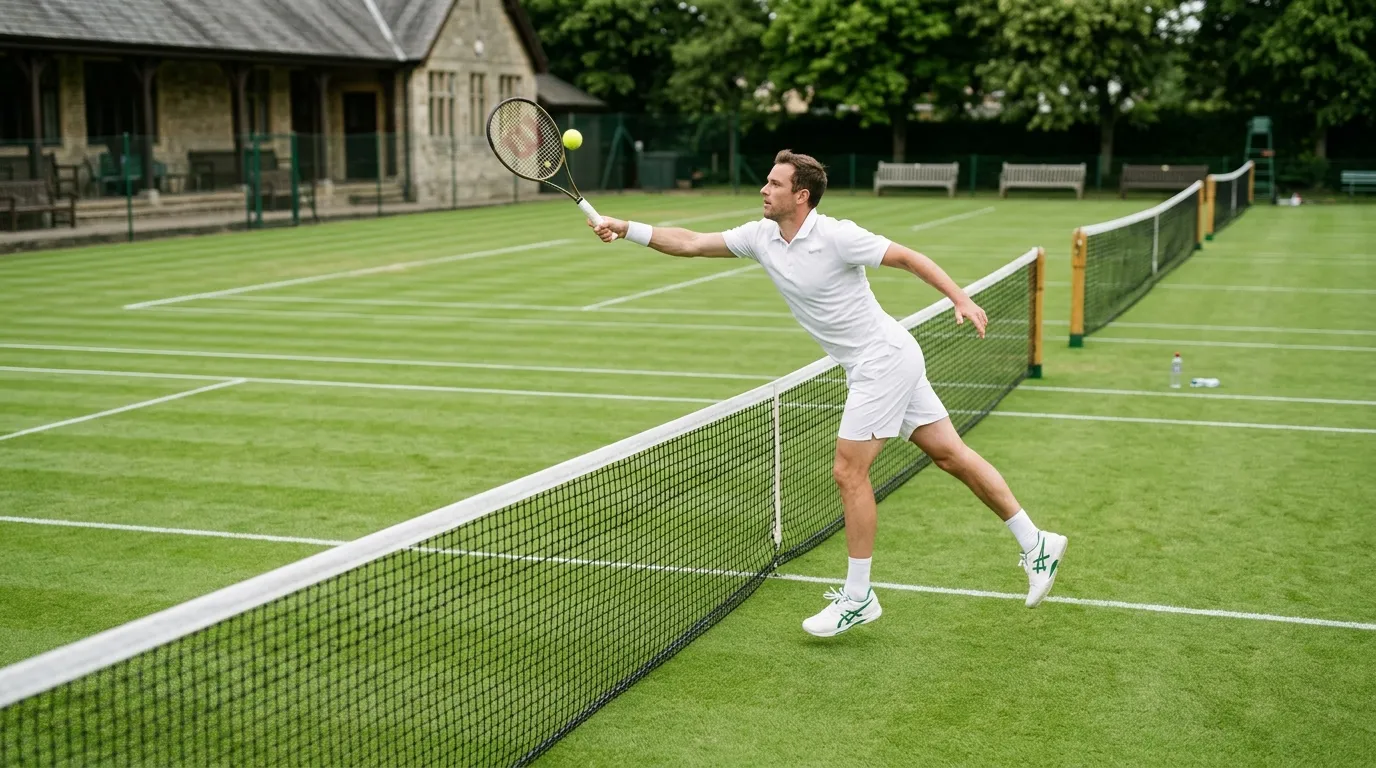
Grass season is the shortest and strangest stretch of the tennis calendar, and it punishes bettors who do not adjust fast enough. Blink and the swing is over, a few brief weeks bookended by the most famous fortnight in the sport. In that window the surface flips the usual hierarchy on its head, rewards a completely different skill set, and produces results that look like upsets to anyone who has not been paying attention.
Grass court tennis is the fast-surface game. The ball skids low and quick off the turf, points are short, and the serve becomes the single most decisive shot on the court. Where clay rewards patience and defence, grass rewards aggression, a big delivery and the willingness to come forward. For a bettor, that means the whole probability map of a match shifts, and the markets do not always keep up with how brutal and brief grass tennis can be.
When the Serve Becomes King
On grass, a player with a huge serve and an ordinary everything-else can suddenly look unbeatable. The low, skidding bounce robs the returner of time, holds of serve become cheap and routine, and a single break of serve can decide an entire set. That single fact reshapes how you read a match.
The big servers who toil on slow clay come alive on grass. A player whose game is built around a 130-mile-per-hour delivery and quick points is far more dangerous here than their ranking suggests, because the surface amplifies their one great weapon and hides their weaknesses. Meanwhile the clay-court grinders, so dominant a few weeks earlier, can find themselves unable to break serve for set after set and bundled out by opponents they would beat comfortably on any other surface. Recent grass form, and a player’s career record on the turf, tell you far more than their overall ranking ever could.
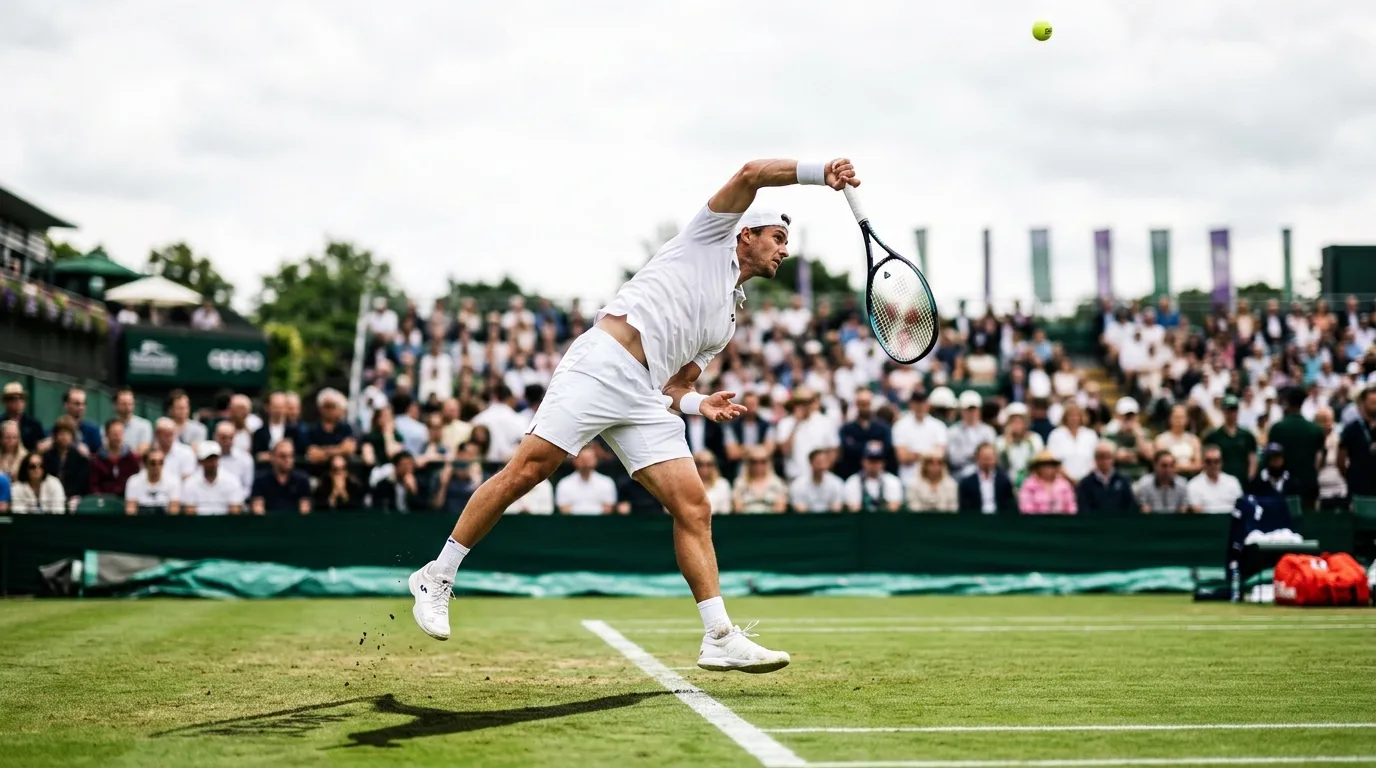
This serve dominance bleeds straight into the markets. Tiebreaks become far more likely when neither player can break, so set betting and tiebreak markets carry different value on grass than anywhere else. I treat the prospect of a tiebreak as a live consideration in almost every grass match between two strong servers, because holds are so routine that sets drift toward six-all with unusual frequency.
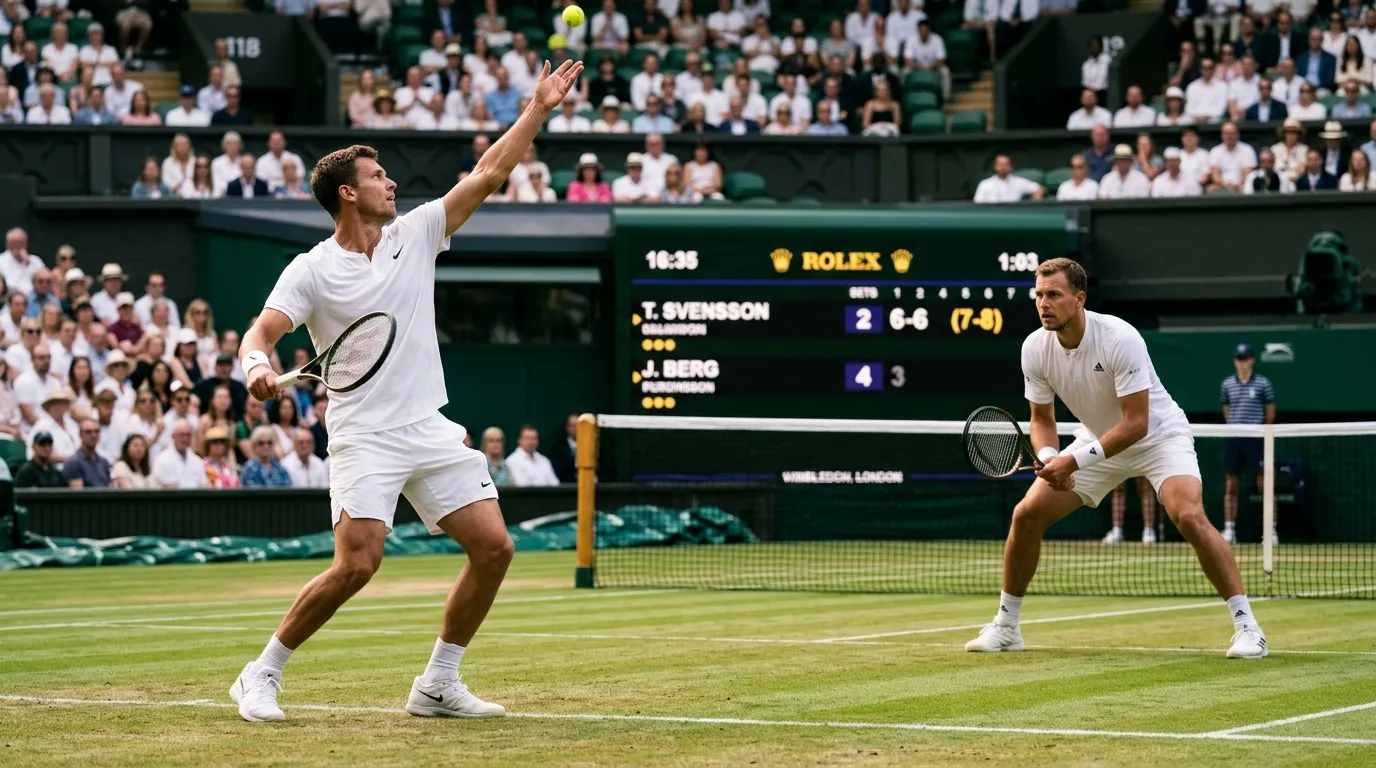
It also changes how I read a scoreline in running. On a slow court, a single break of serve is a meaningful but recoverable deficit, because breaks come back. On grass, that same break can be the whole set, because the player who is ahead simply has to hold their booming serve four or five more times and the set is gone. That asymmetry means I value an early break far more highly on grass, and I am far more reluctant to back a player to recover from one. The margins are thinner, the swings are sharper, and a match can be decided by a single loose service game in a way that almost never happens on clay.
The Short Swing and the Information Gap
Here is the trap. The grass season is so compressed that there is barely any surface-specific form to go on before the big events arrive. Players come straight off a long clay campaign onto a surface that demands the opposite skills, and they have only a handful of warm-up matches to adjust.
That compression creates a genuine information gap, and information gaps are where edges live. The bettor who has tracked how players historically transition from clay to grass, who adapts quickly and who struggles, holds a real advantage over the market that is still pricing players on their clay reputations. Some stars take weeks to find their grass legs and are vulnerable in the early rounds. Others flip the switch instantly. Knowing which is which, before the market has caught up, is the entire game during this swing.
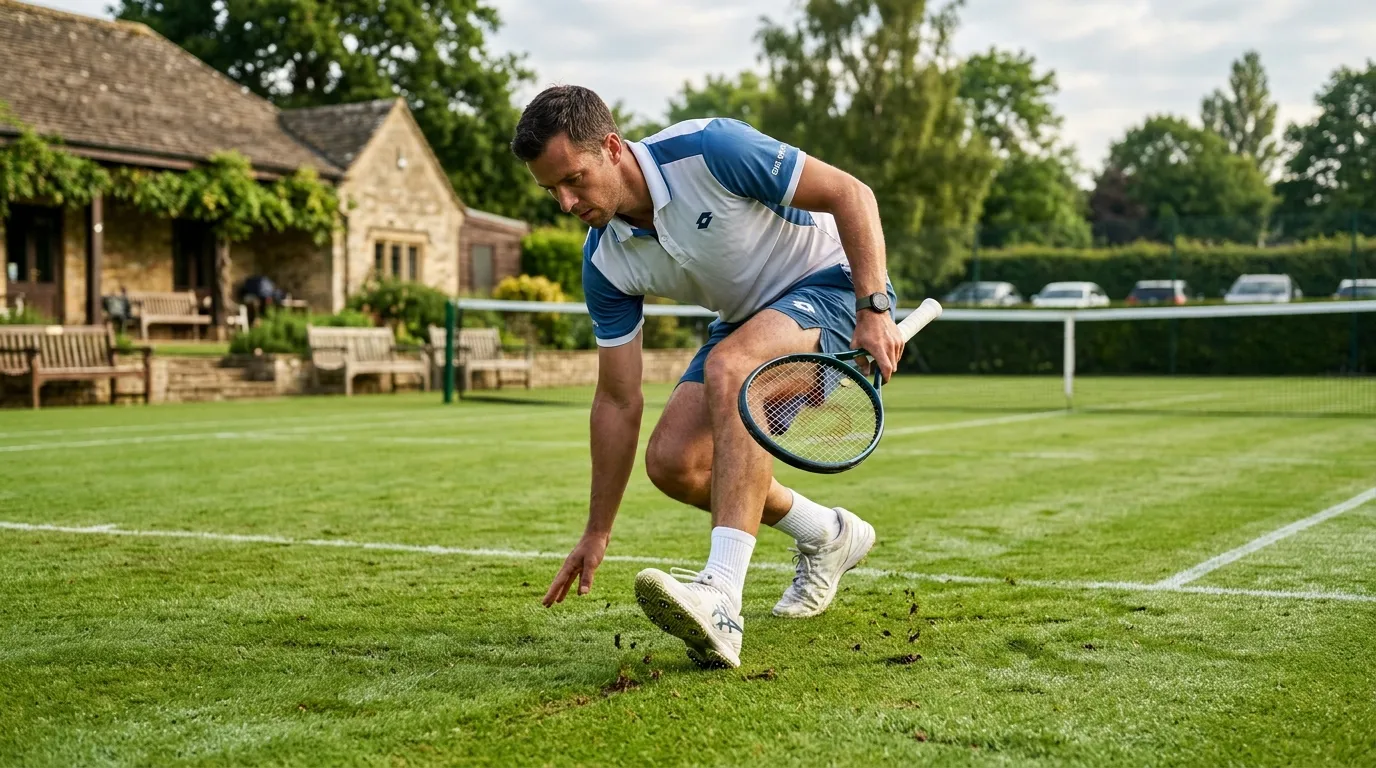
The depth of the showpiece event helps enormously here, because Wimbledon delivers continuous in-play markets across fourteen days, which gives a patient bettor a long runway of live situations to read once the tournament settles in. And the appetite for it is enormous. Around 22.5 million adults in Britain place a bet each month, and grass season, crowned by a home Grand Slam, draws a flood of that casual interest onto markets it barely understands. More casual money on a surface that produces frequent upsets means softer prices for anyone who has done the homework, particularly in the unpredictable opening rounds where reputations and reality often diverge sharply.
Turning Grass Knowledge Into an Edge
My rule for the grass swing is simple: respect the serve and expect the unexpected. Early-round upsets are not flukes on this surface, they are a structural feature of a fast court where one hot serving display can topple a far superior player over three sets. Pricing that volatility correctly is most of the battle.
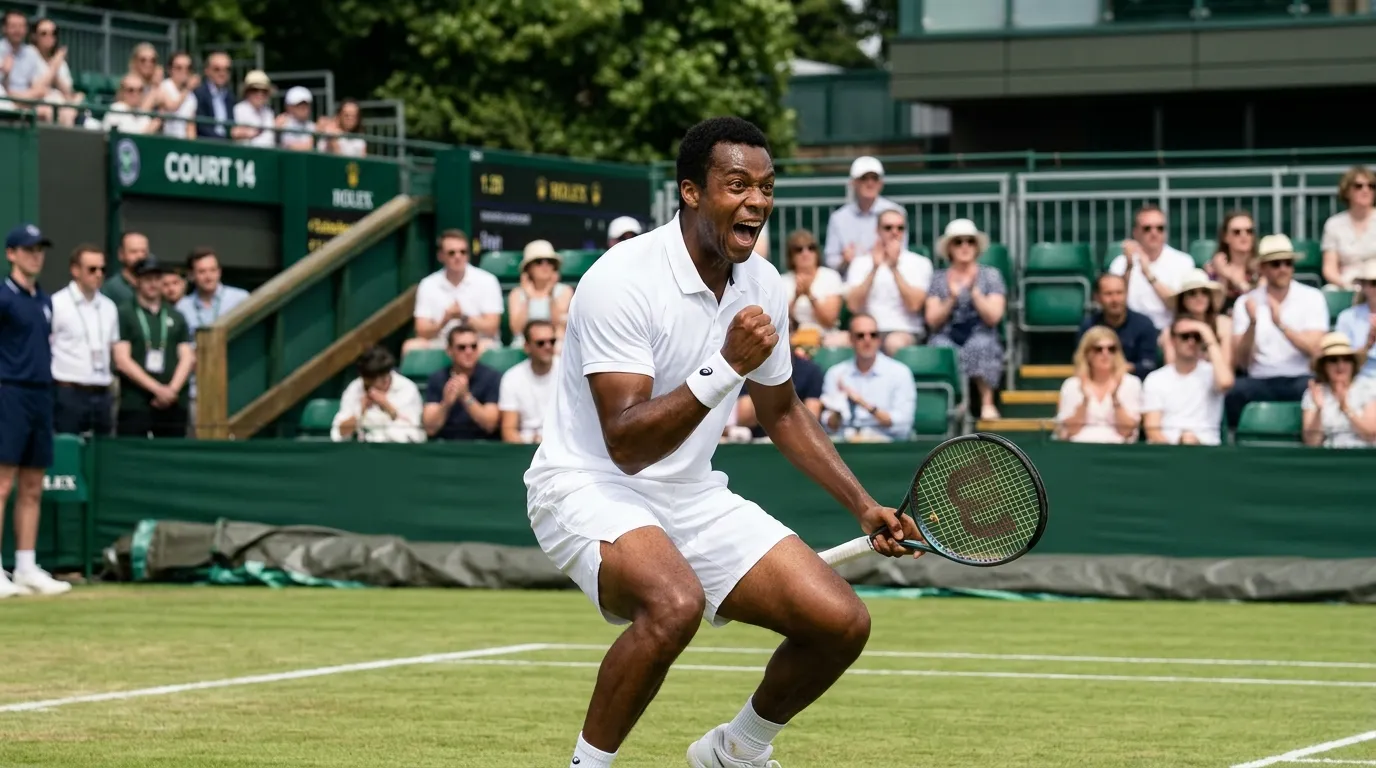
I pay close attention to who has a grass pedigree regardless of current ranking, because the surface has a long memory and players who have done well on it before tend to do so again. I lean toward tiebreak and over-games considerations in serve-heavy matchups, and I am far more willing to back a live underdog with a big delivery here than I would be on clay. The short format of the swing means there is little room for a slow start, so I get my reads locked in before the warm-up events even finish.
The other discipline grass demands is restraint with the favourites. It is tempting to assume the better player will simply assert themselves, but a top seed who cannot find their range against an inspired server can be two sets down before they have solved the puzzle. I price that risk into every early-round match involving a dangerous floater, and I am happy to pass on a short favourite entirely when the matchup screams volatility. Knowing when not to bet is as much a part of the grass swing as knowing when to strike, because the surface manufactures upsets that look reckless to back beforehand and obvious in hindsight.
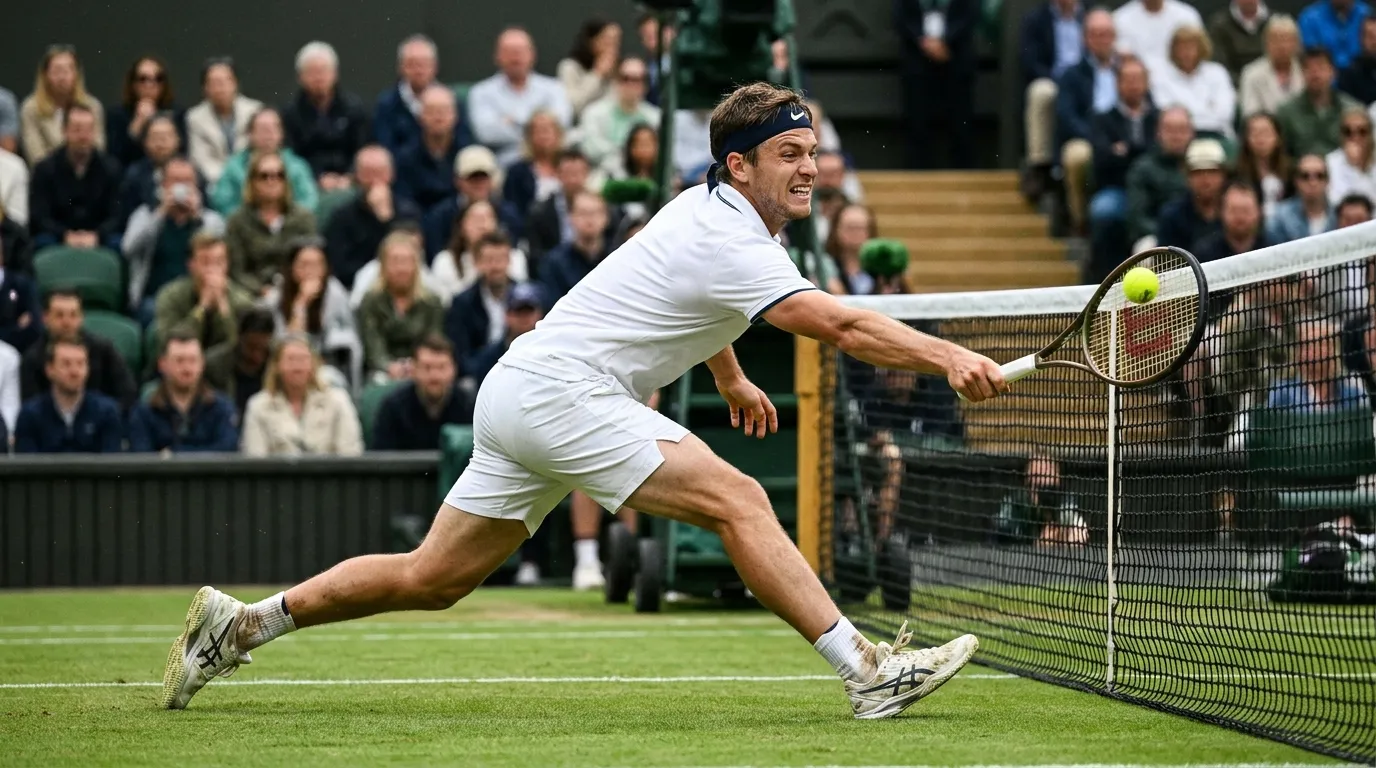
All of this builds toward the fortnight that matters most, where every quirk of the surface is magnified by the occasion and the stakes. I lay out how I approach that specific event, round by round and market by market, in my full Wimbledon betting guide. Master the grass and you master the most distinctive and rewarding few weeks the tennis calendar has to offer.
Articles
Prepared by the bets-on-tennis.com editorial staff.
