

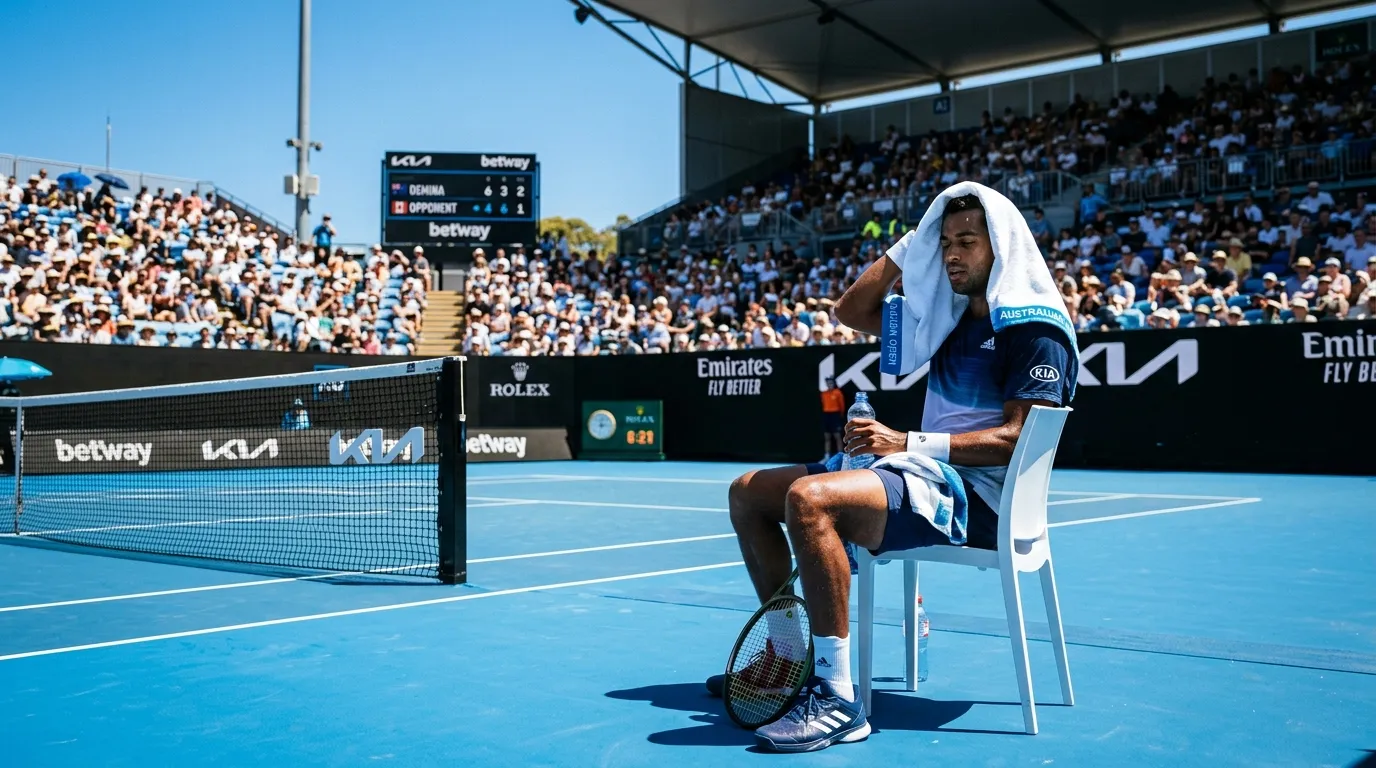
The Australian Open arrives when the rest of the tennis world is barely awake, and that early-season timing is the single biggest reason it is such a tricky, rewarding tournament to bet. It is the first Grand Slam of the year, staged in the searing heat of the southern summer, and it lands before anyone really knows who is in form. Players turn up rusty, undercooked or carrying secrets from the off-season, and the markets are guessing as much as the rest of us. That uncertainty is where the opportunity lives.
Played on hard courts in January, the Australian Open opens the season as a genuine test of who has done the work over the winter and who has not. The surface is fast and true, the heat can be ferocious, and the lack of recent competitive tennis means form is harder to read here than at any other major. A bettor who understands that the usual form signals are unreliable in January has a real edge over those treating it like a normal Slam.
The Problem of Reading January Form
The off-season is tennis betting’s great blind spot. Players disappear for weeks, work on their games, recover from injuries or simply rest, and they reappear in Australia as something of a mystery. The handful of warm-up events before the Slam offer only fragments of evidence, and the market is forced to lean heavily on the previous season’s form, which may be badly out of date.
This creates a fascinating betting puzzle. A player who finished the previous year strongly might arrive flat and undertrained, while someone who limped to the end of the season could turn up rejuvenated after a proper rest and a hard block of winter work. The market often prices the big names on reputation and last season’s results, which leaves genuine room for surprises when a player’s true January condition differs from what the odds assume. I pay obsessive attention to the warm-up tournaments and any scraps of information about who has prepared well, because in the absence of reliable form, those clues are disproportionately valuable.
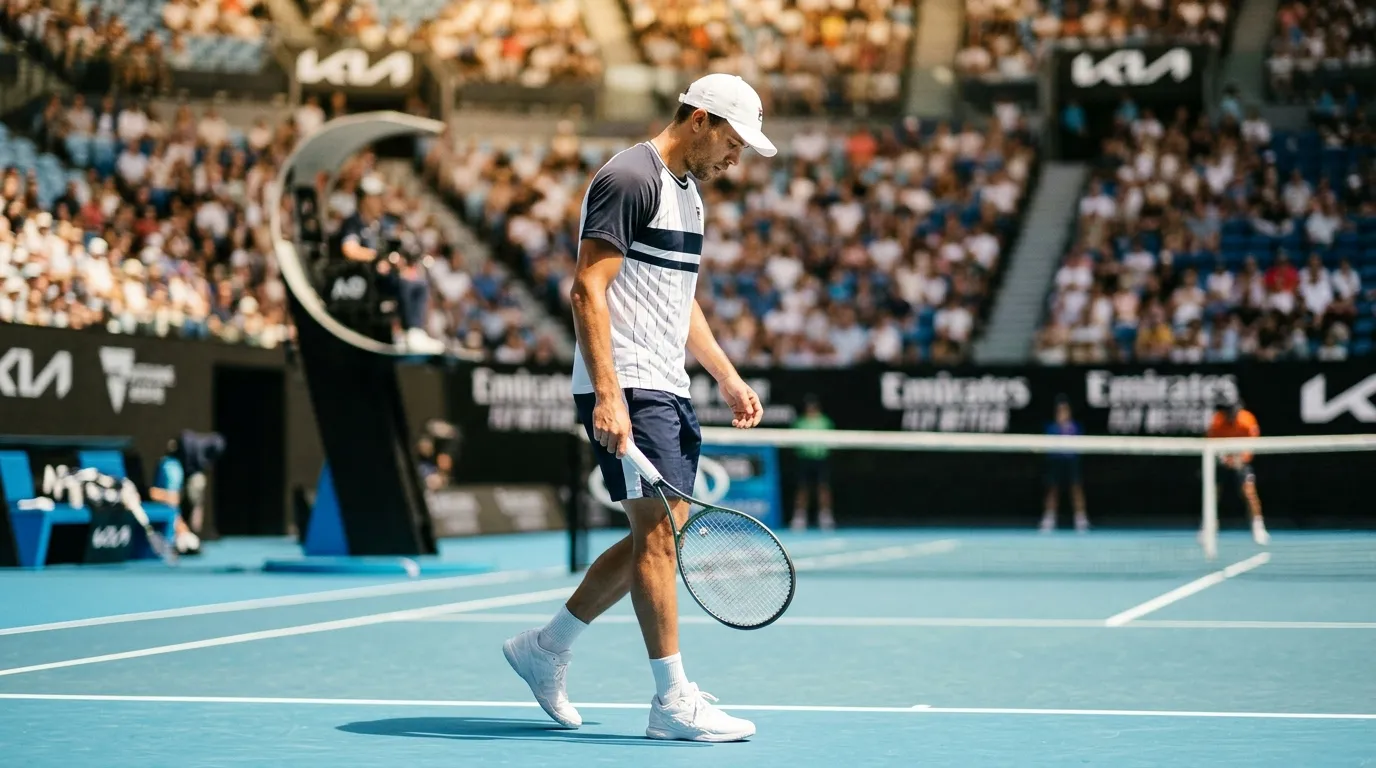
The early rounds are especially volatile as a result. Seeds who are still finding their rhythm are vulnerable to sharp, well-prepared opponents, and upsets cluster in the first week before the contenders shake off the rust. I treat the opening rounds as the most uncertain phase of the whole event and price that uncertainty into every bet rather than assuming the favourites will simply cruise through.

Heat, Surface and Stamina
Melbourne in January can be brutal, with temperatures that turn a tennis match into an endurance test. The extreme heat is a recurring storyline at this tournament, and it has a real bearing on results, sapping players who lack the conditioning or the physical resilience to cope with hours in the sun on an exposed court.
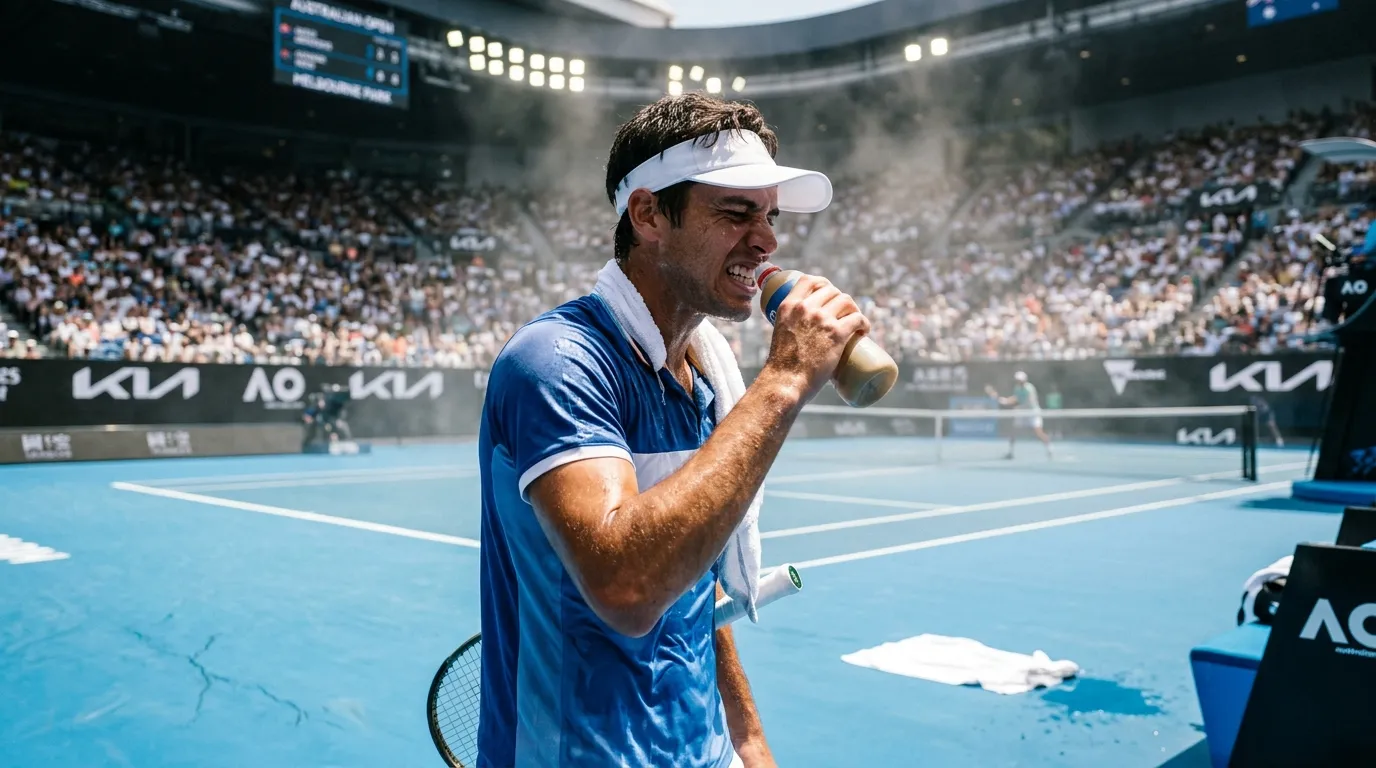
I factor the conditions into my reads in a way I would not at a cooler event. A player carrying any physical doubt, or one whose fitness over a long match is questionable, becomes a riskier proposition when the mercury climbs, and a supremely conditioned athlete gains an edge that the headline odds may not fully reflect. The fast hard court adds its own dimension, rewarding big servers and aggressive baseliners and occasionally letting a powerful underdog trouble a more rounded player who would handle them on a slower surface. The depth of coverage gives a patient bettor plenty of scope to apply all this, since the Australian Open delivers continuous in-play markets across its fourteen days, and a live read on a player struggling in the heat can be acted on the moment it becomes clear.
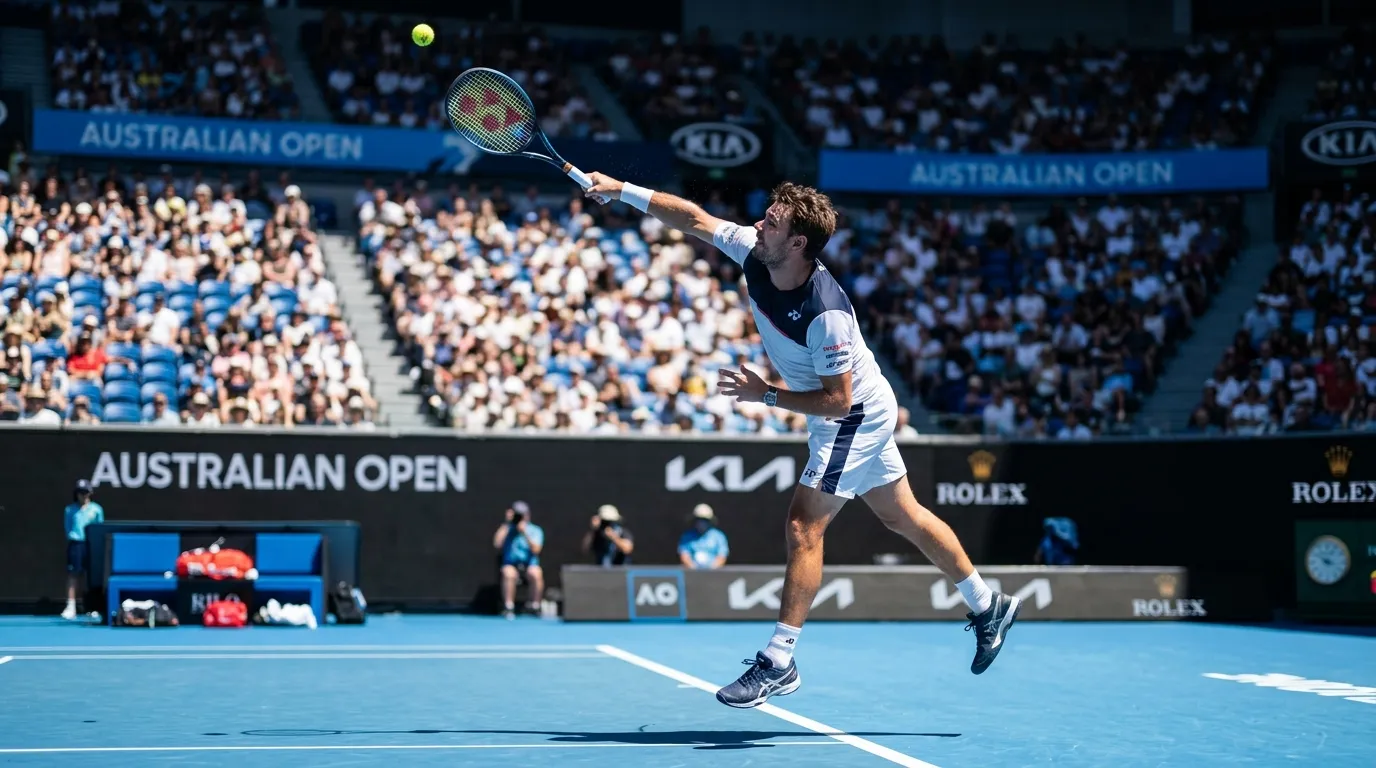
Stamina ties it all together. As the tournament progresses into best-of-five marathons in the summer heat, the players with the deepest physical reserves separate themselves from those running on fumes. A favourite who has been dragged through long matches in punishing conditions is more vulnerable in the later rounds than the pre-match price suggests, and a fresher opponent with the legs to outlast them can be quietly excellent value.
How I Bet the Year’s Opening Slam
Tennis is the fastest-growing segment in online betting, forecast to grow at 13.83 percent a year to 2031, the highest of any sport, and the season-opening major draws a wave of fresh interest after the winter break. That casual money tends to flood onto the established names on reputation alone, which is exactly the behaviour that creates value for anyone reading the event more carefully. The crowd bets last year’s hierarchy. The informed bettor bets January reality.
My approach is to lean into the uncertainty rather than fight it. I am more willing to back live underdogs in the early rounds here than at any other Slam, because the form is so unreliable and the seeds are so often rusty. I weight the warm-up evidence heavily, I respect the heat and the stamina demands, and I stay patient through the chaotic first week before the picture clarifies. As the rust burns off and the contenders find their level, the event settles into more predictable patterns and I adjust toward the supporting markets accordingly.
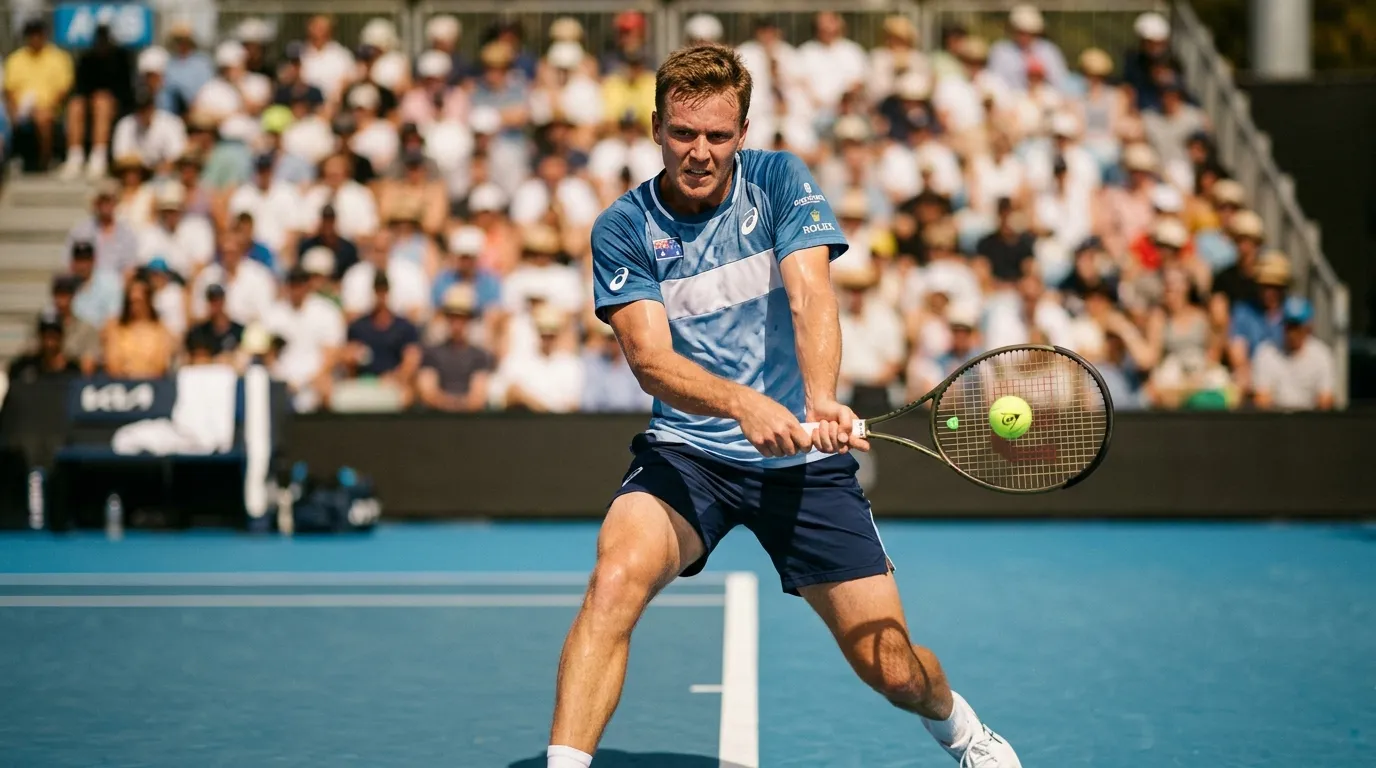
The whole tournament rests on understanding the hard court beneath it, the surface that shapes how the serving, the heat and the stamina battles actually play out. I set out the framework for reading that surface in my guide to hard court tennis betting, and it is the foundation for making sense of the year’s first major. Embrace the January uncertainty, do the preparation the crowd skips, and the Australian Open becomes one of the most profitable puzzles on the calendar.
Articles
Created by the "bets-on-tennis.com" editorial team.
