


The total games market cured me of a bad habit, which was looking at a match and instantly asking “who wins?” Over/under does not care who wins. It asks a stranger, more interesting question: how long will the fight last? Once I started reading matches that way, a whole class of bets opened up that had nothing to do with picking a favourite and everything to do with understanding how two specific players hold and break serve.
Total games betting, often shown as over/under a number like 22.5, asks you to predict whether the combined game count across the whole match lands above or below that line. The set winners are irrelevant. A 7-6 7-6 win and a 6-4 6-4 win produce very different totals despite both being straight-sets victories. The whole skill is learning to read a match by serve patterns rather than by reputation, and it is one of the most transferable habits in tennis betting.
How the Games Line Gets Built in the First Place
Ask most casual bettors where the games line comes from and they will mumble something about the favourite. They are looking at the wrong thing entirely. The line is built from how easily both players are expected to hold serve, full stop.

Here is the logic. If both players are expected to hold serve comfortably, sets drift toward tie-breaks, game counts climb, and the line sits high. If one or both are vulnerable on serve, breaks come thick and fast, sets end 6-3 or 6-2, and the total drops. The bookmaker is essentially modelling break frequency for each player and surface, then converting that into an expected number of games. The favourite’s identity barely enters the calculation except through how dominant their serve and return are.
This is why the modern, point-level texture of tennis betting matters so much here. Point-by-point live bets make up over 55% of all wagers on the sport, which means the firms have enormous granular data on exactly how often each player holds, breaks and gets dragged to deuce. That data feeds straight into the pre-match games line. You are not betting against a hunch when you take an over or under. You are betting against a fairly sophisticated serve model, and you need a genuine reason to think it is mispriced.

The practical takeaway is that I read both players’ serve and return profiles before I even glance at the match winner odds. Two strong servers on a quick surface point to a high total and tie-break heavy sets. A big server against a fragile one points to quick breaks and a lower count. The favourite being short does not, on its own, tell you a single thing about the total.
What Actually Moves the Total Up or Down
I keep a mental checklist of the things that nudge a games line, and almost none of them are about which player is better. They are about conditions and styles, the unglamorous stuff that decides how many holds of serve a match contains.

Surface speed is the big one. A fast court rewards servers, suppresses breaks and inflates totals. A slow court drags rallies out, hands the returner more chances, produces more breaks and pulls totals down. Then there is the weather and the balls. Heavy, humid air or a worn, fluffed-up ball slows everything, helps the returner and lowers the count. A dry, fast night session does the opposite.

Player condition matters too, in a way newcomers underrate. A tired player late in a tournament, or someone carrying a niggle, leaks break points and shortens matches. Motivation and the stakes of the match feed in as well; a dead rubber plays differently from a final. And the format sets a ceiling and a floor. A best-of-five match simply has more games available than a best-of-three, so the lines and the moves are not comparable across formats.
The lesson I drill into anyone who will listen: the total moves because the expected number of holds and breaks moves. Whenever you see a line shift, ask what changed about break expectation. A withdrawal of a doubles partner does not move it. A late switch to an indoor court at a faster pace absolutely does.
The Two Profiles: Over Bettors and Under Bettors
There are two temperaments in this market, and recognising which one fits a given match is half the battle. The over profile and the under profile reward opposite reads, and the trap is forcing one when the match calls for the other.

The over profile lives on serve dominance and competitiveness. Two quality servers, a fast surface, no obvious return weakness, and you have a recipe for tie-breaks and long sets. Over bettors are essentially betting that nobody gets broken easily, which keeps the game count ticking upward. They want stalemate, not blowouts.
The under profile is the reverse. It thrives on a clear skill gap that produces fast breaks, on slow surfaces that reward returners, and on players prone to losing serve under pressure. Under bettors want the match to be efficient, decisive and short. A heavy favourite who breaks early and often is an under bettor’s dream, because dominance compresses the game count.
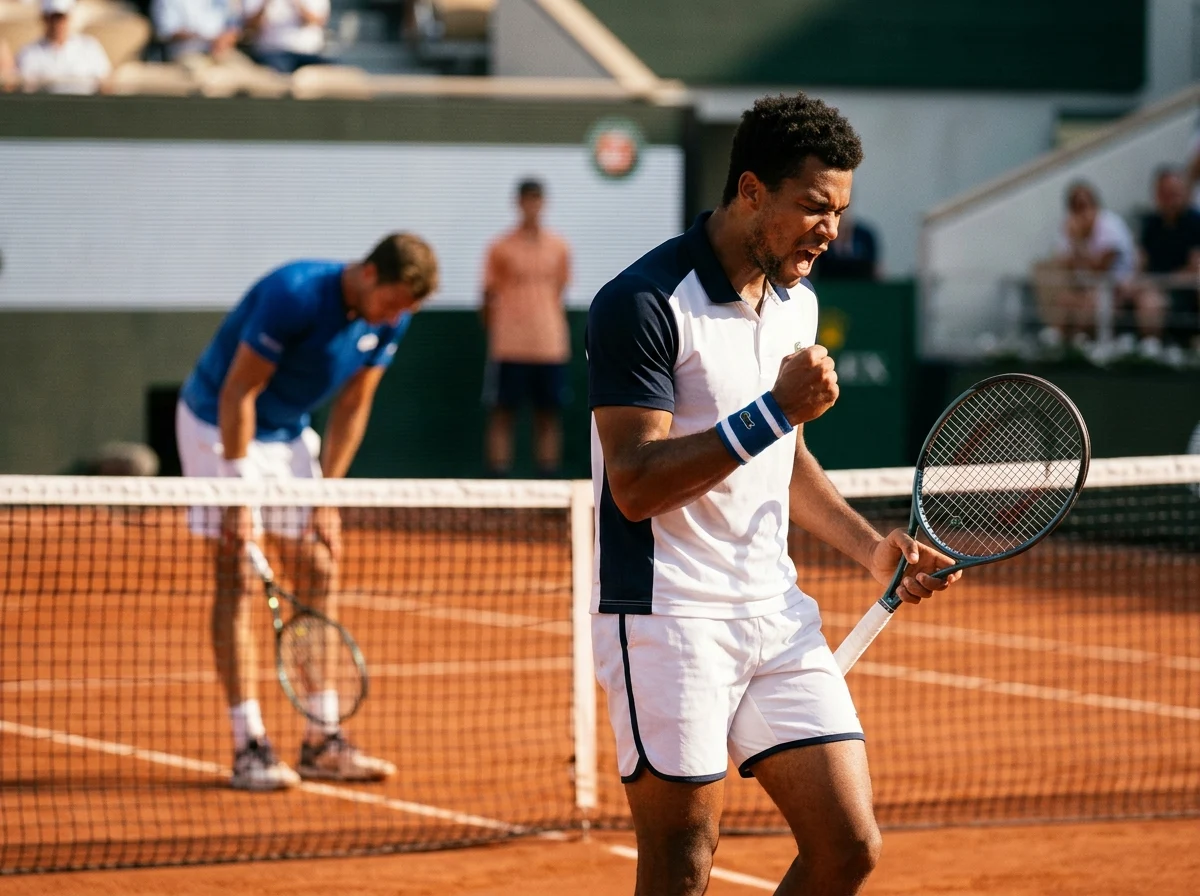
Live betting has become the natural home for refining these reads, given that in-play wagering already accounts for 62.35% of the online sports betting market. Watching the first few service games tells you more about the eventual total than any pre-match model, because you see the actual hold patterns rather than the projected ones. If both players are sailing through service games, the over looks healthier than the pre-match line suggested. If breaks are flying, the under is quietly building.
The Mistakes That Quietly Drain Your Total Games Bets
The most expensive trap in this market is the “two big servers must mean under” instinct, and it is exactly backwards. Two big servers usually mean very few breaks, sets that reach tie-breaks, and therefore a high game count. People confuse “few points won on return” with “short match,” when in tennis the opposite is true. Holds of serve are the engine of a high total, not a low one.

The tie-break itself is the second trap. A tie-break only ever adds one game to the total no matter how many points it contains, so a 7-6 set produces thirteen games while a 6-4 set produces ten. People assume a dramatic, lengthy tie-break inflates the count more than it does. It does not. The tie-break caps the set, it does not extend the game tally the way an extended battle of breaks would.
The third trap is ignoring the format and the surface together. A games line that looks high in isolation might be perfectly normal for a fast indoor best-of-three between two servers, and a line that looks low might be standard for a slow clay grind. Always anchor the number to the context. If you want to widen this lens to every other way of betting a match, my overview of tennis betting markets places totals alongside the handicaps, props and outrights they so often interact with. Read the total in isolation and you will keep mistaking a normal line for a generous one.
Articles
Created by the "bets-on-tennis.com" editorial team.
