


If you want to understand where tennis is genuinely vulnerable to corruption, stop looking at the showpiece matches and start looking at the ones almost nobody watches. The headline events are the safest tennis you can bet on. The risk lives far down the food chain, on the lower-tier circuits where the prize money is tiny, the scrutiny is thin and the temptation is greatest. Knowing this single fact is one of the most important pieces of self-protection a tennis bettor can have.
Lower-tier tennis refers to the professional circuits below the main tours, the developmental events where lower-ranked players grind out a living for modest rewards. These matches are bettable, widely available and constantly in play, but they carry a concentration of integrity risk that the marquee events simply do not. Understanding why the danger clusters here, and how the sport is fighting back, lets you bet the lower tiers with your eyes open rather than walking into the riskiest corner of the sport blind.
Why the Risk Concentrates at the Bottom
The economics tell the whole story. At the top of the game, players earn fortunes and a corruption scandal would cost them everything, so the incentive to cheat is almost nonexistent. Far down the rankings, the picture inverts. Players on the lower circuits often barely break even after travel and coaching costs, the rewards for winning are small, and that financial pressure creates a vulnerability that those seeking to fix matches deliberately exploit.

The lack of attention compounds the problem. Lower-tier matches are played on remote courts with minimal crowds, little media coverage and sparse official scrutiny, which makes manipulation harder to spot and easier to attempt. Karen Moorhouse, who runs the tennis integrity agency, has been refreshingly candid about this, acknowledging that “tennis is good at recognising that it has a vulnerability to corruption.” That honesty matters, because a sport that admits where its weak points are is a sport actively working to defend them rather than pretending they do not exist.

The structure of the sport adds to the exposure. Nick Iliffe, the agency’s director of intelligence, has pointed out that “tennis is a global sport with no real off-season,” meaning there is an enormous, year-round volume of lower-tier matches taking place across the world at all times. That sheer quantity, much of it in obscure events far from any spotlight, is exactly what creates so many opportunities at the bottom of the game, and it is why the integrity effort has to be relentless and global in scale.
What the Data Reveals About the Threat
The alert statistics confirm where the problem sits, and they show a sport very much aware of its exposure. Tennis recorded 58 suspicious betting alerts in 2024, second only to football’s 75, and together those two sports accounted for 61 percent of all alerts raised across the markets monitored. Tennis draws this level of attention not because the elite game is crooked, but because the vast lower-tier circuit presents so many vulnerable matches to watch.
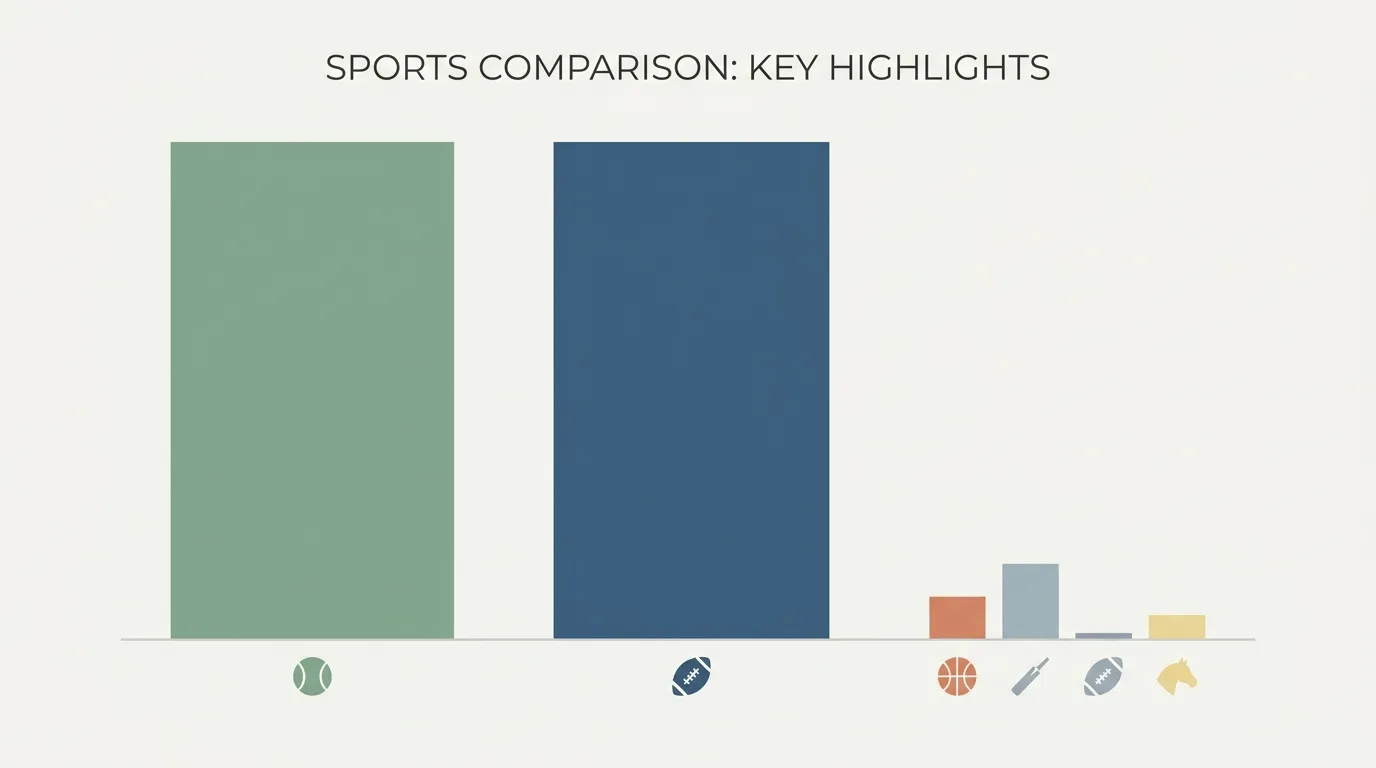
Encouragingly, the trend shows the defences working. In 2023, tennis recorded fewer alerts than football for the first time, with its total falling to 54, a striking 49 percent drop from 106 the year before. That kind of decline does not happen by accident. It reflects sustained investment in monitoring, education and enforcement that has made the sport a harder target than it once was, particularly in the lower-tier events where the historic risk was greatest.

A huge part of that progress comes from prevention rather than just detection. In 2024 the tennis integrity agency delivered more than 2,700 training sessions, saw over 15,000 people complete its online integrity course, and ran 1,124 education sessions specifically for junior players. That focus on young and developing players is telling, because it targets exactly the population most exposed to the financial pressures of the lower circuits before those pressures can take hold. Teaching players to recognise and reject approaches is one of the most effective defences a sport can build, and the scale of that effort shows how seriously the threat is being taken.
Betting the Lower Tiers Without Getting Burned
So how should a bettor respond to all this? Not by avoiding lower-tier tennis entirely, because there is genuine value in those markets precisely because they are less efficiently priced. But by betting them with full awareness of the elevated integrity risk and a healthy scepticism toward anything that looks too good to be true. A suspiciously generous price or an oddly moving market in an obscure event deserves caution, not greed.

My own rule is to treat the lower tiers as a place for measured, informed betting rather than blind volume. I am more cautious with my staking on obscure matches, I pay attention to markets that move in ways the on-court action does not explain, and I never chase a price that seems disconnected from reality. The value in the lower tiers is real, but it has to be weighed against a risk profile that simply does not exist at the top of the game, and respecting that balance is what keeps the lower circuits a sensible place to bet rather than a trap.

The broader question all of this feeds into is whether tennis as a whole can be trusted, a concern that surfaces every time an integrity story breaks. The honest answer requires understanding exactly where the risk lives, how concentrated it is at the bottom, and how vigorously the sport is defending itself, which is the fuller picture I lay out in my discussion of whether tennis betting is fixed. Know where the danger sits, bet the lower tiers with appropriate caution, and you can find their genuine value without exposing yourself to their genuine risk.
Articles
Prepared by the bets-on-tennis.com editorial staff.
