

The most important betting decisions I make have nothing to do with which player will win. They are the limits I set before I ever look at a market, the boundaries that mean a bad run stays a bad run rather than becoming something worse. Every licensed UK operator is required to offer a suite of tools designed to keep gambling within safe, affordable limits, and the bettors who use them well are the ones still enjoying the sport years later.
Responsible gambling tools are the practical controls, built into every licensed UK betting platform, that let you cap your spending, limit your time, take breaks or stop entirely. They exist because gambling carries real risk, and managing that risk deliberately rather than relying on willpower in the moment is what separates safe betting from the kind that causes harm. Knowing what these tools are and using them proactively is not a sign of weakness, it is simply what sensible betting looks like.
Why the Tools Exist in the First Place
The need for these controls is grounded in hard data about how gambling affects people. Across the adult population, around 2.7 percent show problem-gambling indicators on the standard screening measure, with a further 3.1 percent at moderate risk and 8.8 percent at low risk. That is a substantial share of people for whom gambling carries some degree of risk, and the slide between those bands is rarely dramatic. It usually creeps up gradually, which is exactly why pre-set controls matter so much.
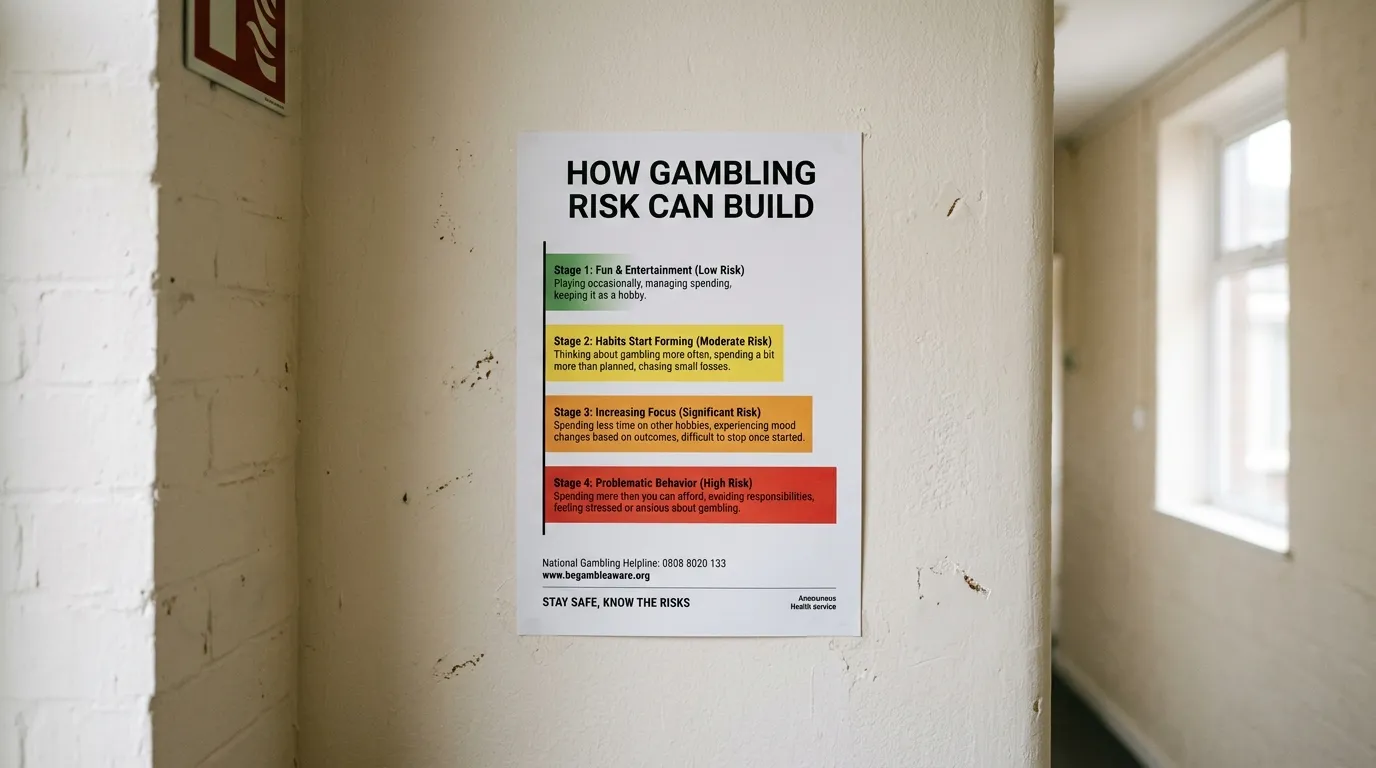
The risk is not spread evenly. Young adults aged 18 to 24 carry the highest exposure, with roughly one in ten in that group showing some level of problem gambling and a significant proportion meeting the threshold for the most serious indicators. The combination of a developing relationship with money, easy mobile access and the intensity of modern betting products makes this age group particularly vulnerable, and it is precisely the group most likely to dismiss the tools as unnecessary. The data argues strongly that they are not.

The product matters too. Stephanie Peacock, a minister at the DCMS, has stated bluntly that “online slots are the highest risk gambling product,” a reminder that the fast, continuous formats carry a sharper danger than the more paced rhythm of sports betting. That distinction is useful, but it is not a reason for any bettor to assume they are immune. The tools exist because risk is real across the board, and using them is the rational response to that reality rather than an admission of a problem.
The Controls and How I Use Them
The foundation is the deposit limit, and it is the single most effective tool available. Setting a daily, weekly or monthly cap on how much you can pay into your account means your spending is bounded before emotion ever enters the picture. I set mine deliberately, when I am calm and thinking clearly, so that no heated moment in the middle of a losing run can override the decision. A limit chosen in advance is worth far more than good intentions in the heat of a bet.
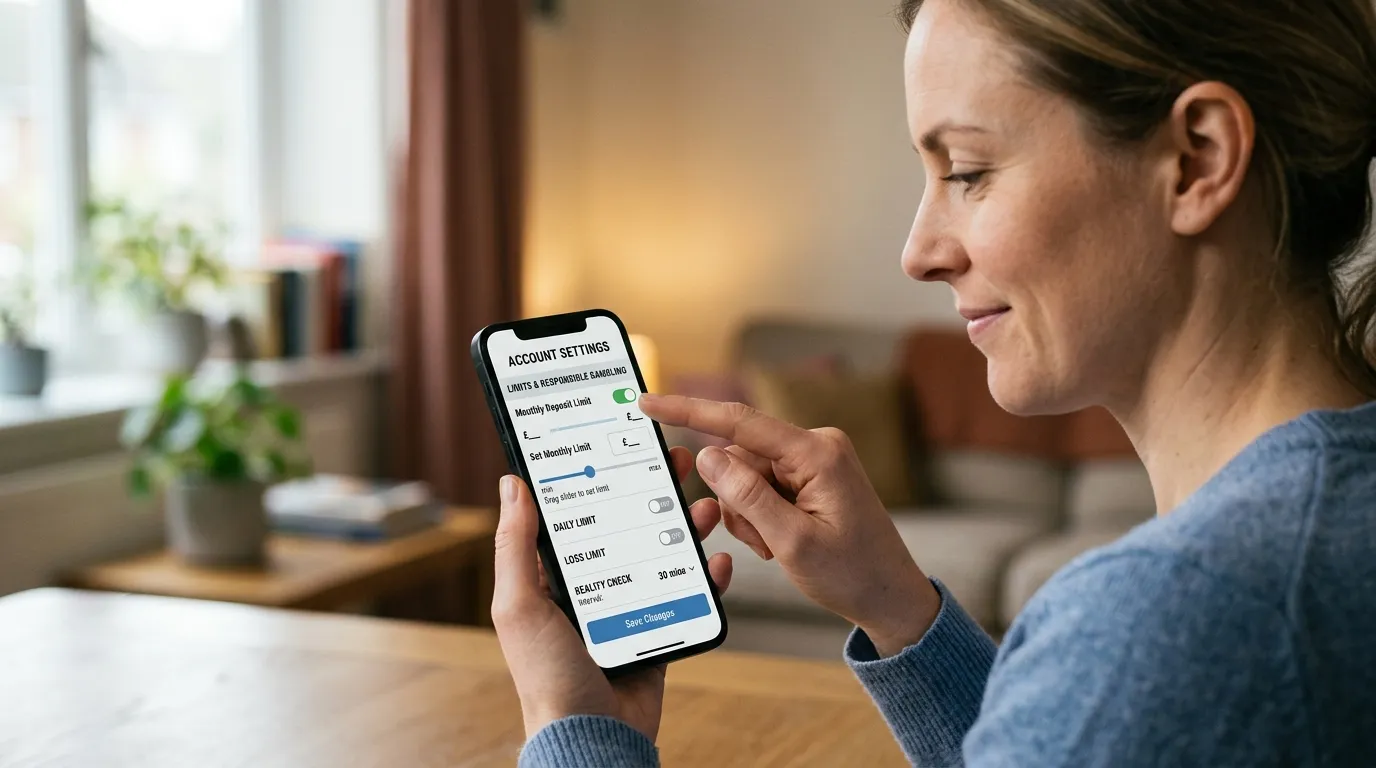
Beyond deposit limits, the toolkit is broad and worth knowing in full. Loss limits cap how much you can lose over a period. Time-outs let you lock yourself out for a short, fixed break of anywhere from a day to several weeks. Reality checks pop up to remind you how long you have been playing, breaking the trance that long sessions can induce. Self-exclusion, the most serious option, blocks you from an operator entirely for a sustained period, and the national GAMSTOP scheme extends that block across every licensed UK operator at once. Each tool addresses a different way that betting can slip out of control, and using them in combination builds a genuine safety net rather than a single thin line.

The principle running through all of them is the same: make the protective decision in advance, while you are thinking clearly, so that your calmer self constrains your heated self. That is the entire philosophy of responsible gambling tools, and it mirrors the discipline of good bankroll management, the difference being that these controls are enforced by the platform rather than relying on your own restraint in the moment.
Recognising the Signs and Finding Support
The tools work best alongside honest self-awareness, because no limit helps if you are not willing to look at your own behaviour. The warning signs are well established: betting more than you can afford, chasing losses with bigger stakes, gambling to escape stress or low mood, hiding the extent of your betting from people close to you, or feeling unable to stop. Any of these is a signal to use the tools more firmly, or to reach out for help.

The scale of harm makes this genuinely serious, and it is worth being clear-eyed about. Among people surveyed about gambling, a notable proportion reported experiencing very dark thoughts over the course of a year, and a meaningful share linked those feelings partly or wholly to gambling. Demand for support is rising sharply too, with one recent month seeing the main treatment charity record 996 referrals, up 48 percent year on year. These are not abstract figures, they represent real people, and they underline that gambling harm is a health issue deserving the same seriousness as any other.

If betting has stopped feeling affordable or controllable, free and confidential support is available around the clock, every day of the year, through the National Gambling Helpline on 0808 8020 133. There is no cost and no judgement in reaching out, and doing so early is far easier than waiting until a problem has deepened. Using the tools, watching for the signs and knowing where support lies is what keeps betting a leisure activity rather than a source of harm. It also connects to a wider question of trust in the sport itself, including whether the contests are clean, which I explore in my discussion of whether tennis betting is fixed. A safe bettor is one who controls their own behaviour and bets on a sport they can trust, and both halves of that matter.
Articles
Prepared by the bets-on-tennis.com editorial staff.
