

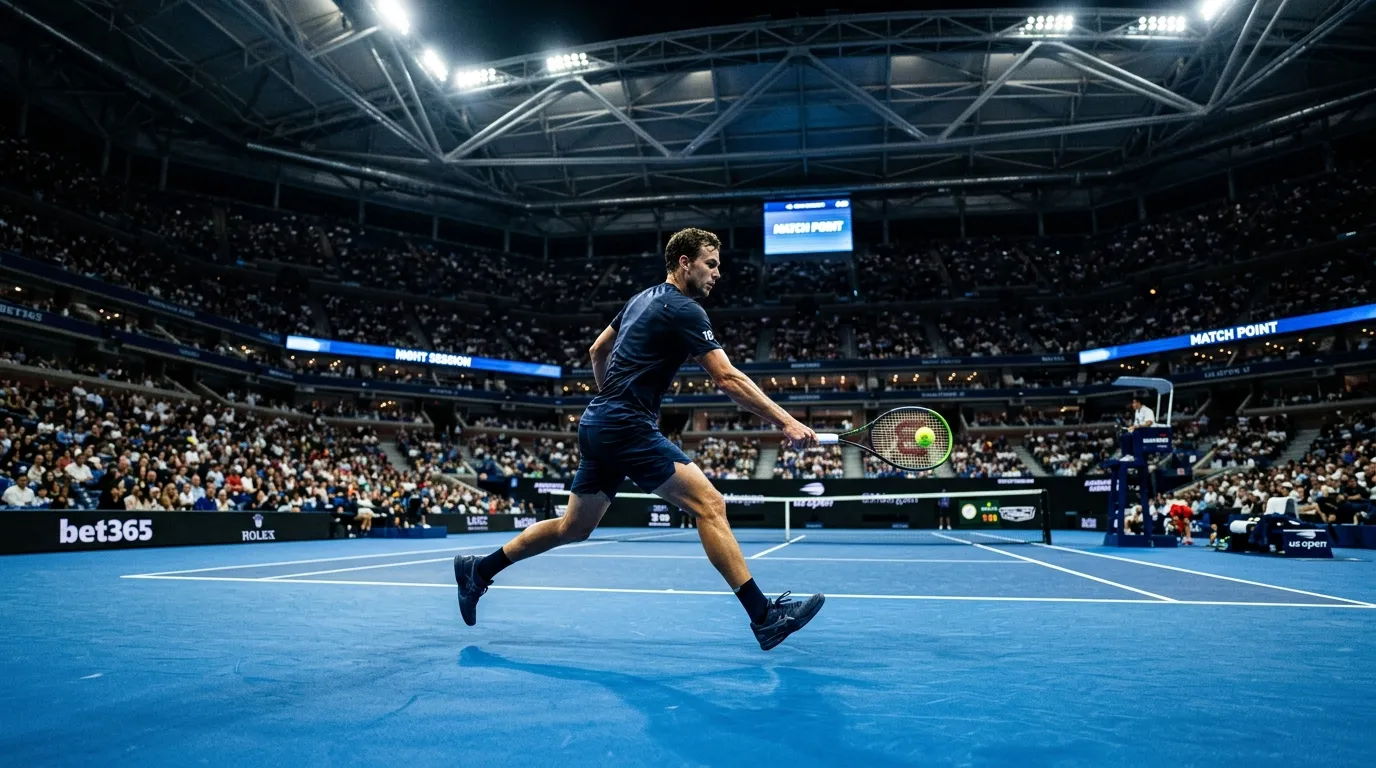
If clay is a test of patience and grass is a test of nerve, hard court is the surface where the best player usually just wins. That makes it sound easy to bet. It is not. The very fact that hard courts reward all-round quality means the markets are sharper, the favourites are more reliable, and the value is buried deeper and harder to dig out than on the more chaotic surfaces.
Hard court tennis is the balanced game, the surface that hosts more of the season than any other and stages two of the four Grand Slams. The bounce is true and predictable, the speed sits somewhere between the slow grind of clay and the lightning skid of grass, and no single style is wildly favoured. A bettor who understands that this neutrality changes the entire approach has a real head start over those who bet every surface the same way.
Why the Favourites Hold Up Here
The defining feature of hard court is fairness. The surface does not exaggerate any one weapon the way grass flatters a serve or clay rewards a grinder, so the player with the most complete game tends to come out on top. For a bettor, that means favourites win more reliably on hard court than anywhere else.
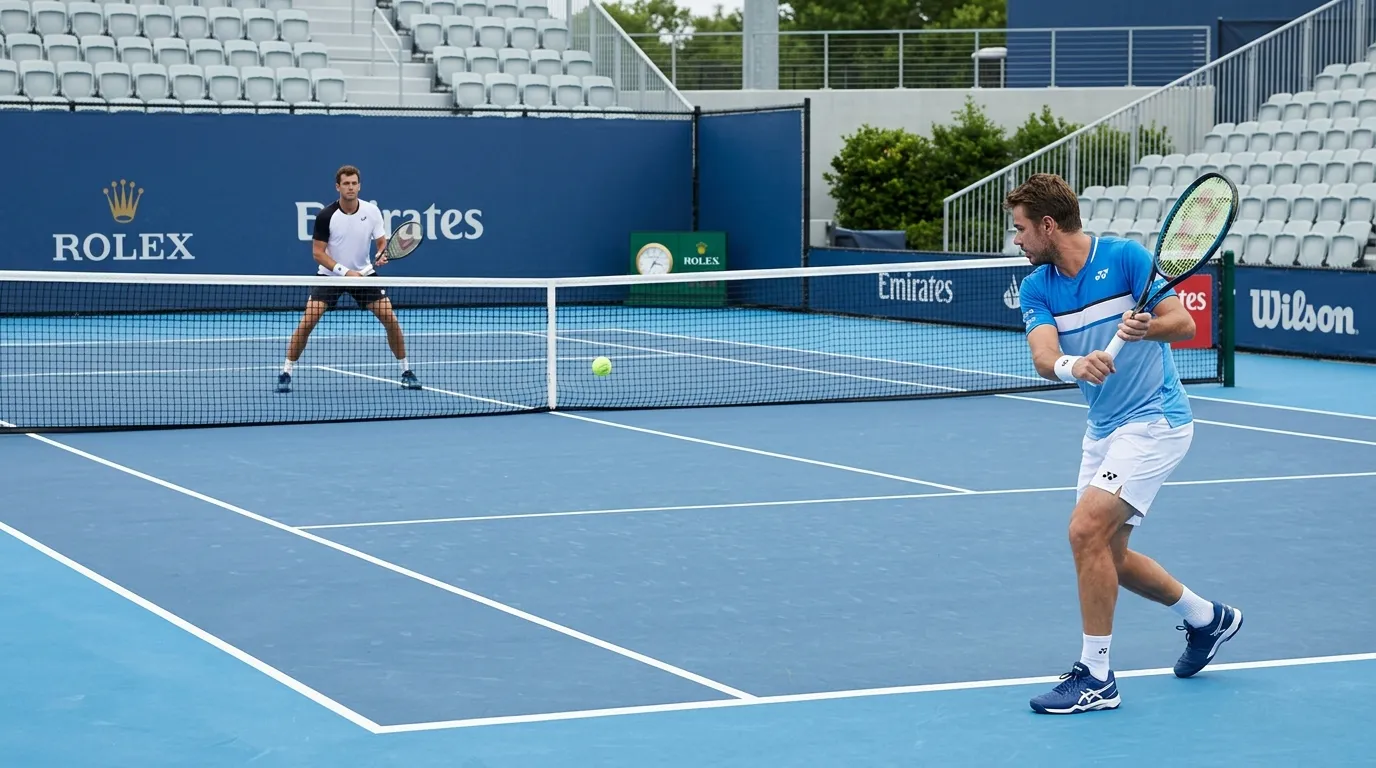
This reliability cuts both ways. On one hand, the form book is more trustworthy here, and a top player’s ranking is a fairer guide to their chances than it would be on a surface that distorts styles. On the other hand, that very predictability means the markets are efficient and the obvious bets carry little value, because everyone can see that the better player is likely to win and the price reflects it. Backing short-priced favourites on hard court is a quick route to grinding your bankroll down through the bookmaker’s margin, even when you are right more often than not.
So the edge on hard court is rarely in the outright winner. It is in the detail: the handicap, the total games, the set betting, the question of whether a favourite wins comfortably or gets dragged into a scrap. Around 22.5 million adults in Britain bet each month, and a huge share of that money piles onto the obvious favourite at a skinny price. The bettor who instead asks how the match unfolds, rather than simply who wins, is competing in a far less crowded part of the market.
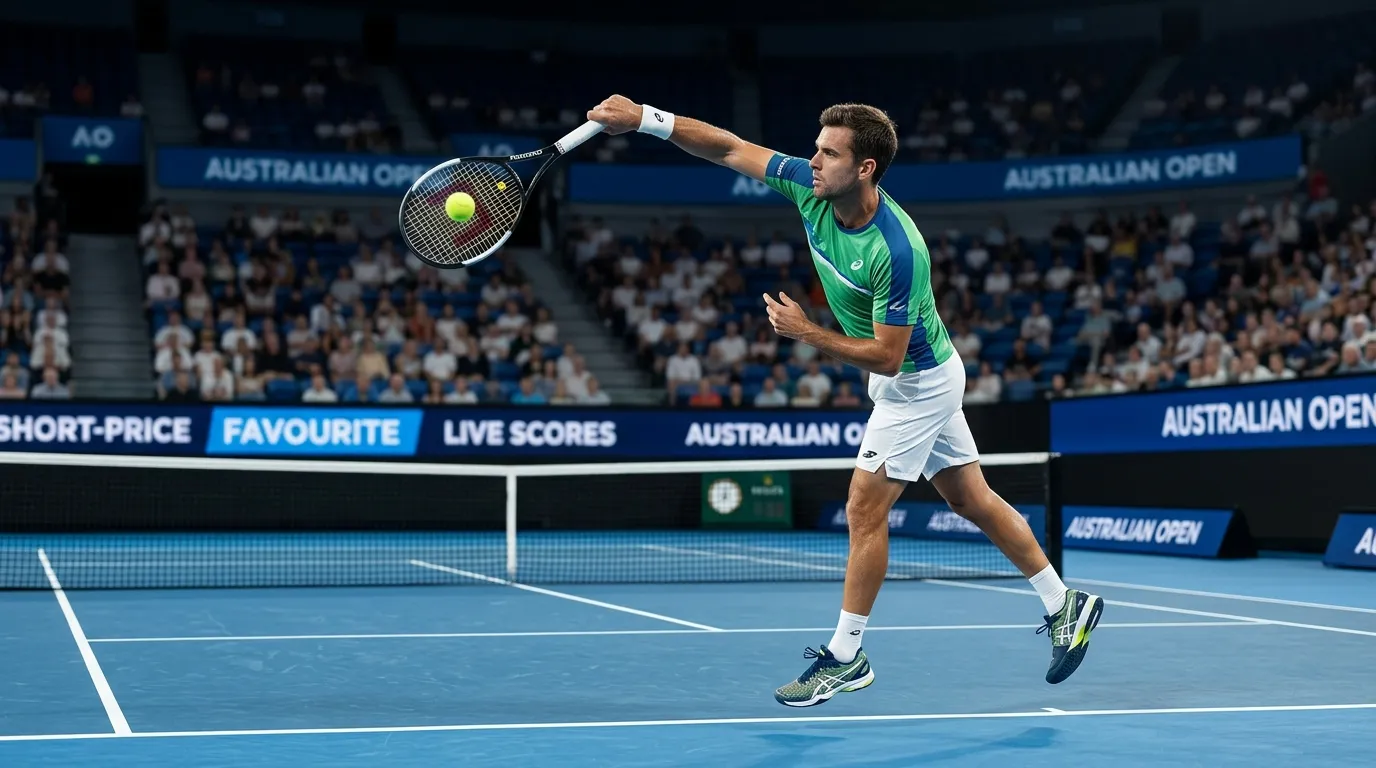
There is a discipline to this that took me years to accept. Backing a strong favourite at short odds feels safe, and most of the time you collect, which is exactly the trap. String together enough winning bets at heavily shaded prices and you can still end the year behind, because the few upsets wipe out a long run of meagre returns. Hard court, more than any surface, lures bettors into this slow bleed precisely because the favourites are so dependable. The way out is to stop thinking in terms of who wins and start thinking in terms of price against probability, which almost always points you toward the supporting markets rather than the headline one.
Reading Speed, Conditions and Schedule
Not all hard courts are the same, and treating them as one surface is a beginner’s mistake. Some hard courts play fast and reward aggression, others are sluggish and suit the defenders, and conditions like heat, altitude and even whether a match is played in daytime sun or under floodlights all nudge the speed one way or another.
I pay close attention to these variables because they tip matchups in ways the headline odds often ignore. A quick hard court can turn a serve-heavy player into a genuine threat against a higher-ranked grinder, while a slow, gritty surface in cool night conditions can blunt that same server and hand the advantage back to the defender. The depth of coverage at the majors gives a patient bettor plenty of room to apply this, since each Grand Slam delivers continuous in-play markets across fourteen days, and watching how the surface is actually playing in the early rounds informs every read for the rest of the fortnight.
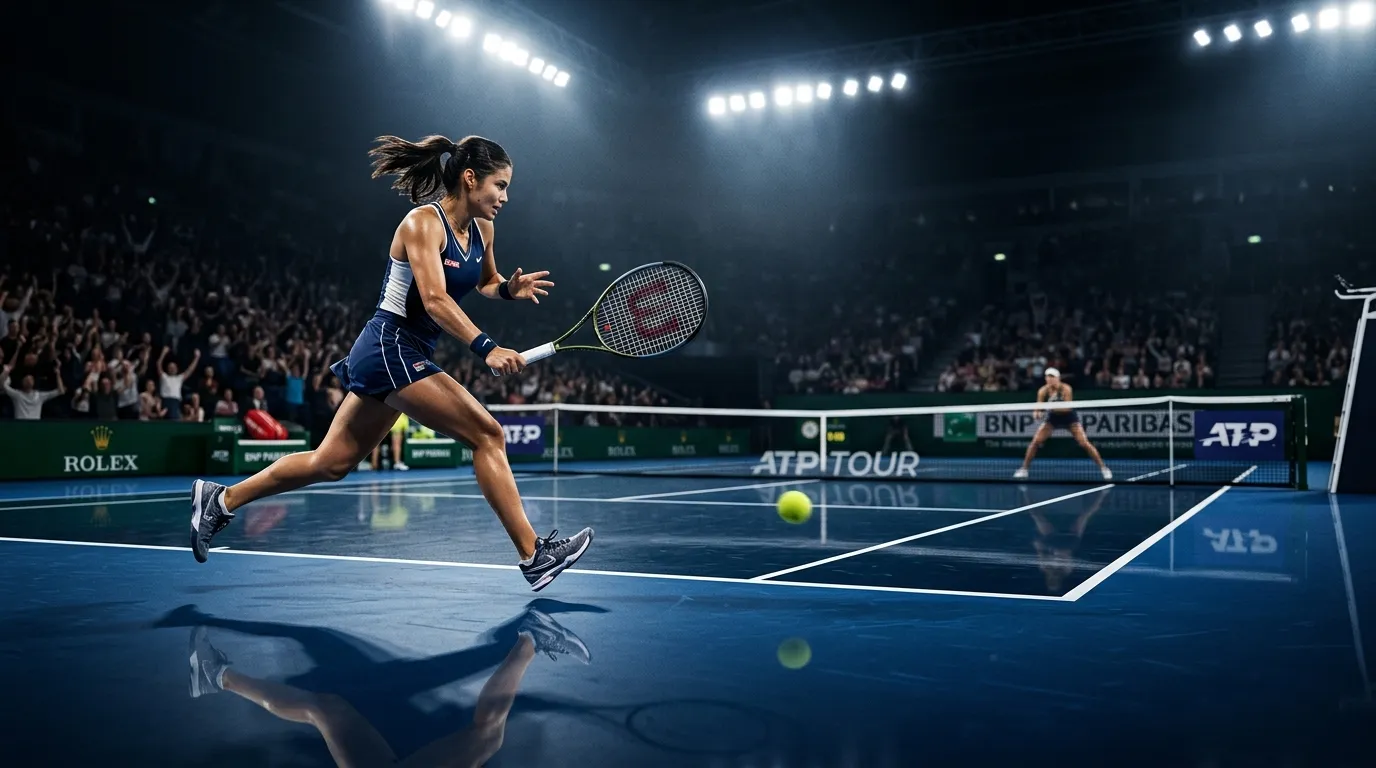
Tennis itself is the fastest-growing online betting segment, sitting at roughly 16.53 billion dollars in 2025, around a tenth of the entire sports betting market, and the bulk of the hard-court calendar runs through the parts of the year when that volume is heaviest. More markets, more often, means more chances to find a mispriced total or a handicap that the crowd has overlooked while it fixates on the match winner.
Where Hard Court Edges Actually Live
My approach to hard court is to accept that I will rarely beat the market on the straight winner and to hunt instead in the markets that require a more specific read. Will the favourite cover a games handicap, or do they tend to win tight? Does this matchup of styles point to a high-scoring battle or a quick, clinical dismissal? These are the questions where my own judgement can outrun the price.

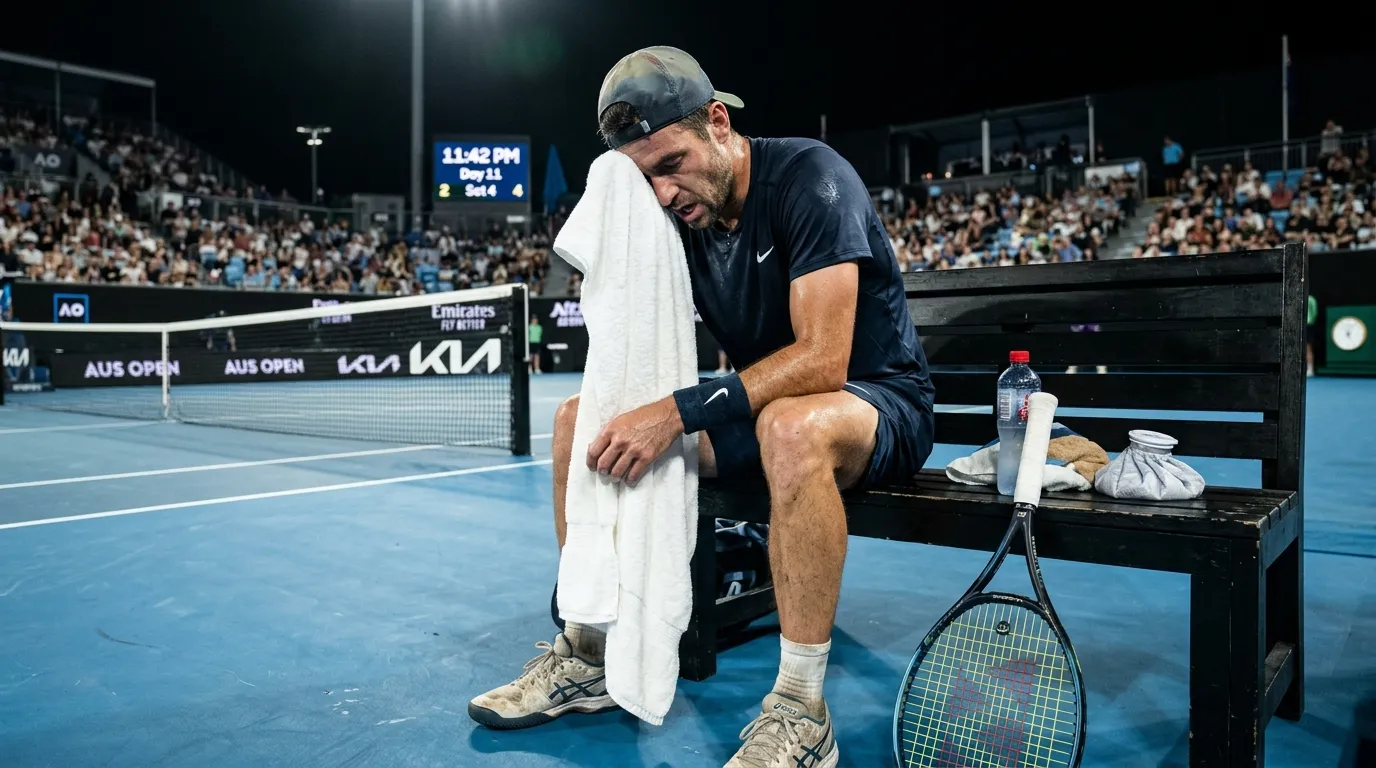
I also weight the schedule heavily. Hard court is demanding on the body, and a player deep into a tournament or coming off a gruelling three-setter is more vulnerable than the form book suggests. Fatigue is real and the market is often slow to price it, especially in the back half of a long event. Combine a read on conditions with a read on freshness and you start to see matches the headline odds have flattened into something simpler than they really are.
The punishing nature of the surface also shapes how I treat totals deep in a tournament. A player who has spent six hours more on court than their opponent over the previous rounds is carrying that load into every rally, and it shows up first in the long exchanges and the third set rather than in the opening games. I look for matchups where one player is visibly fresher and lean toward them covering a handicap or closing the match out efficiently, while treating a tired favourite as a candidate to be taken to a deciding set by an opponent the price says they should brush aside.
The richest expression of all this comes at the season-closing major in New York, where the fast courts, the heat and the brutal scheduling collide. I get into the specifics of that event, and how I bet it, in my guide to US Open tennis betting. Treat hard court as the surface where you out-think the market on the details rather than out-guess it on the winner, and it becomes the most consistently bettable surface of the lot.
Articles
Created by the "bets-on-tennis.com" editorial team.
